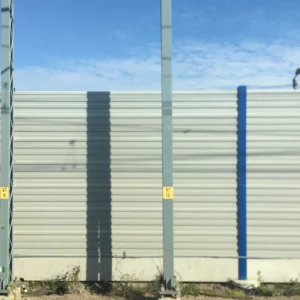
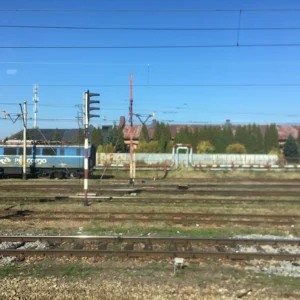
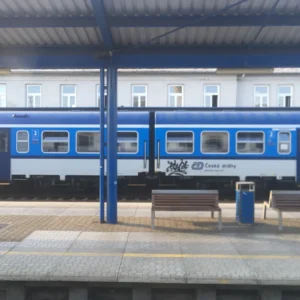
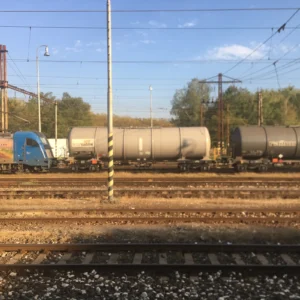
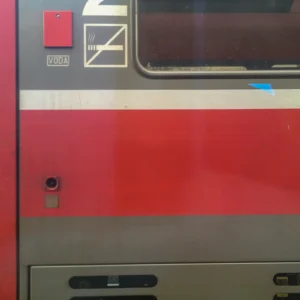
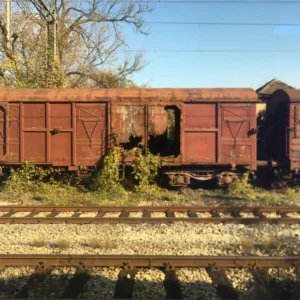
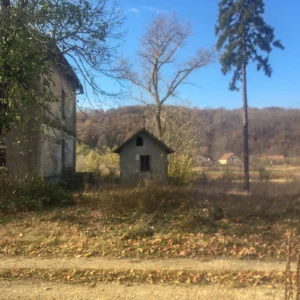
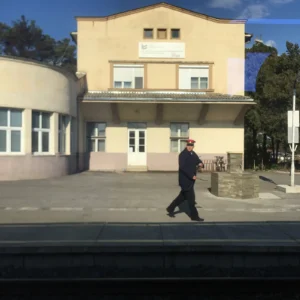
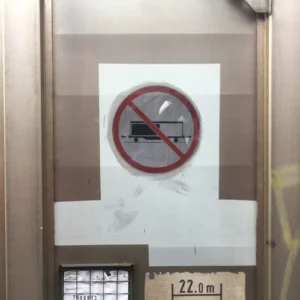
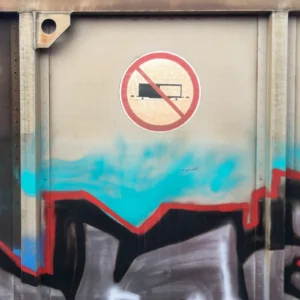
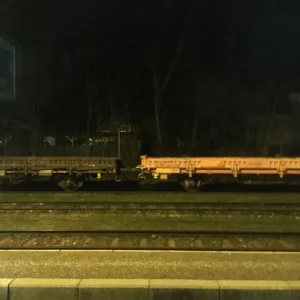
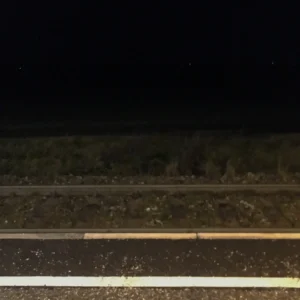
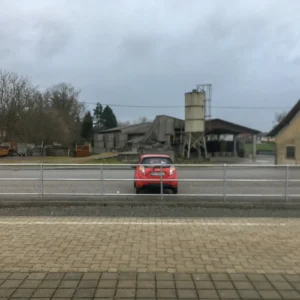
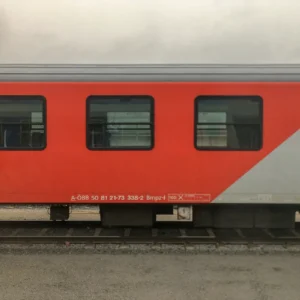
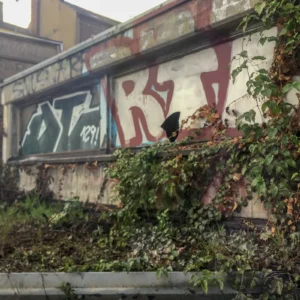
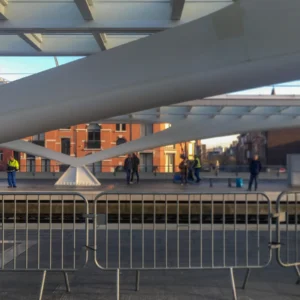
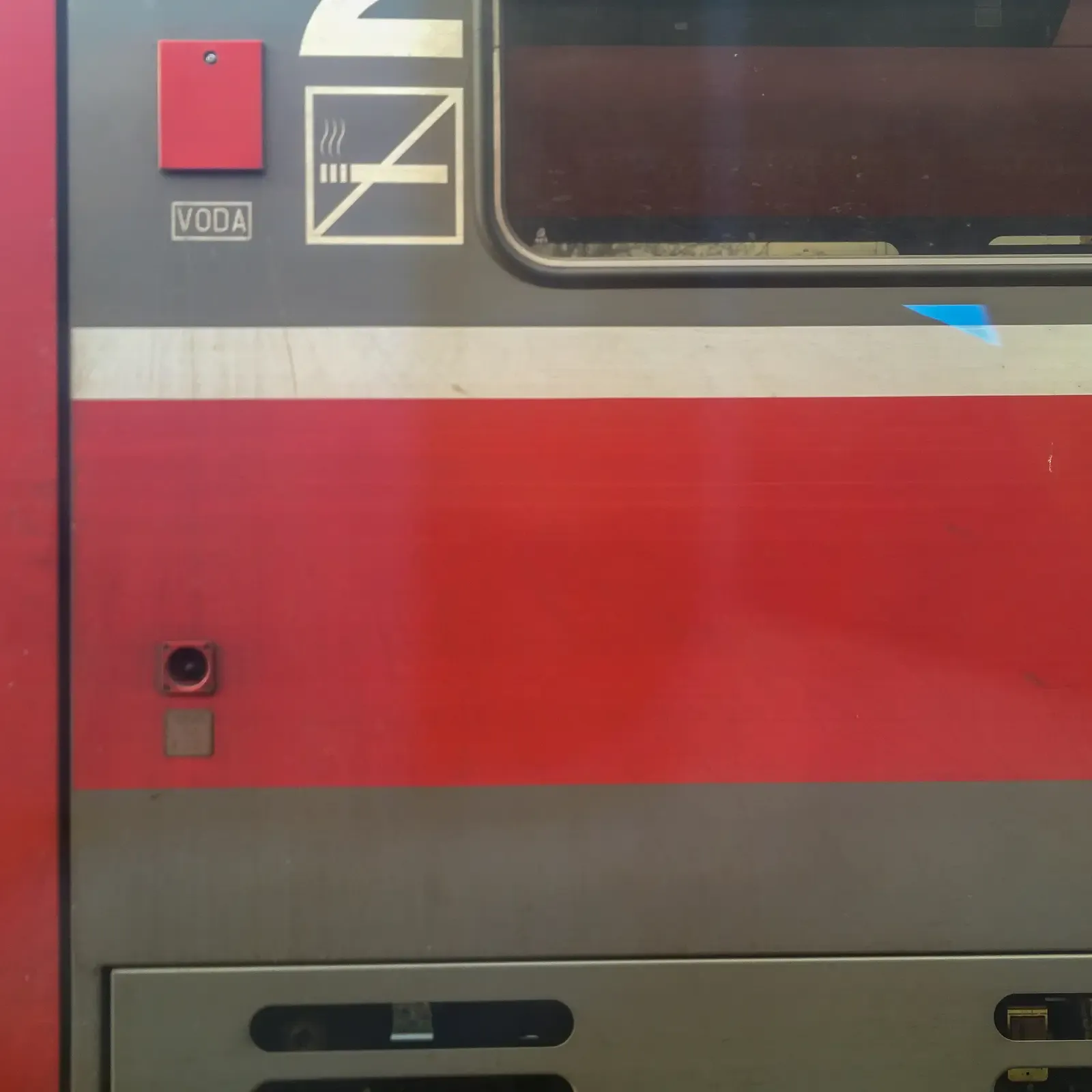
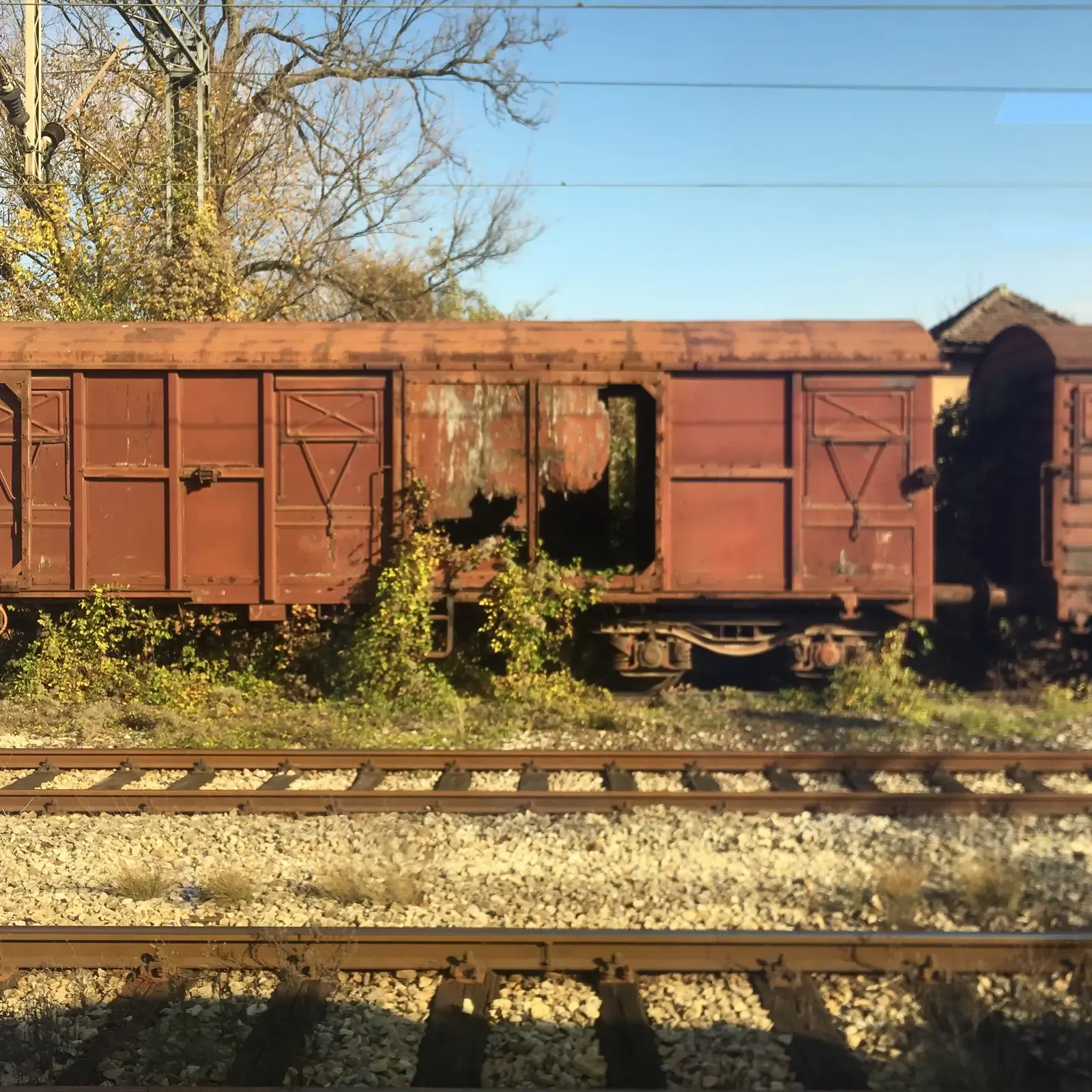
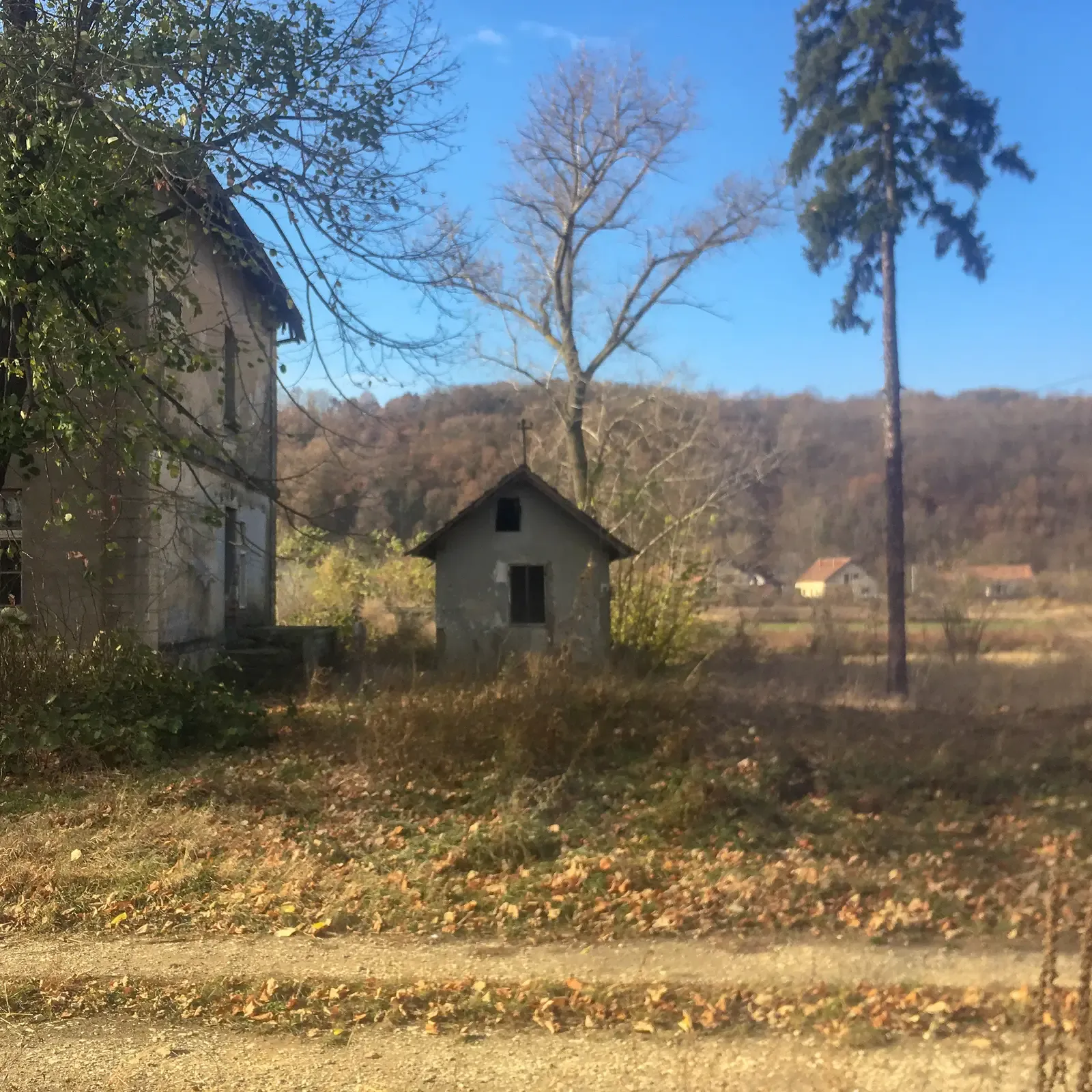
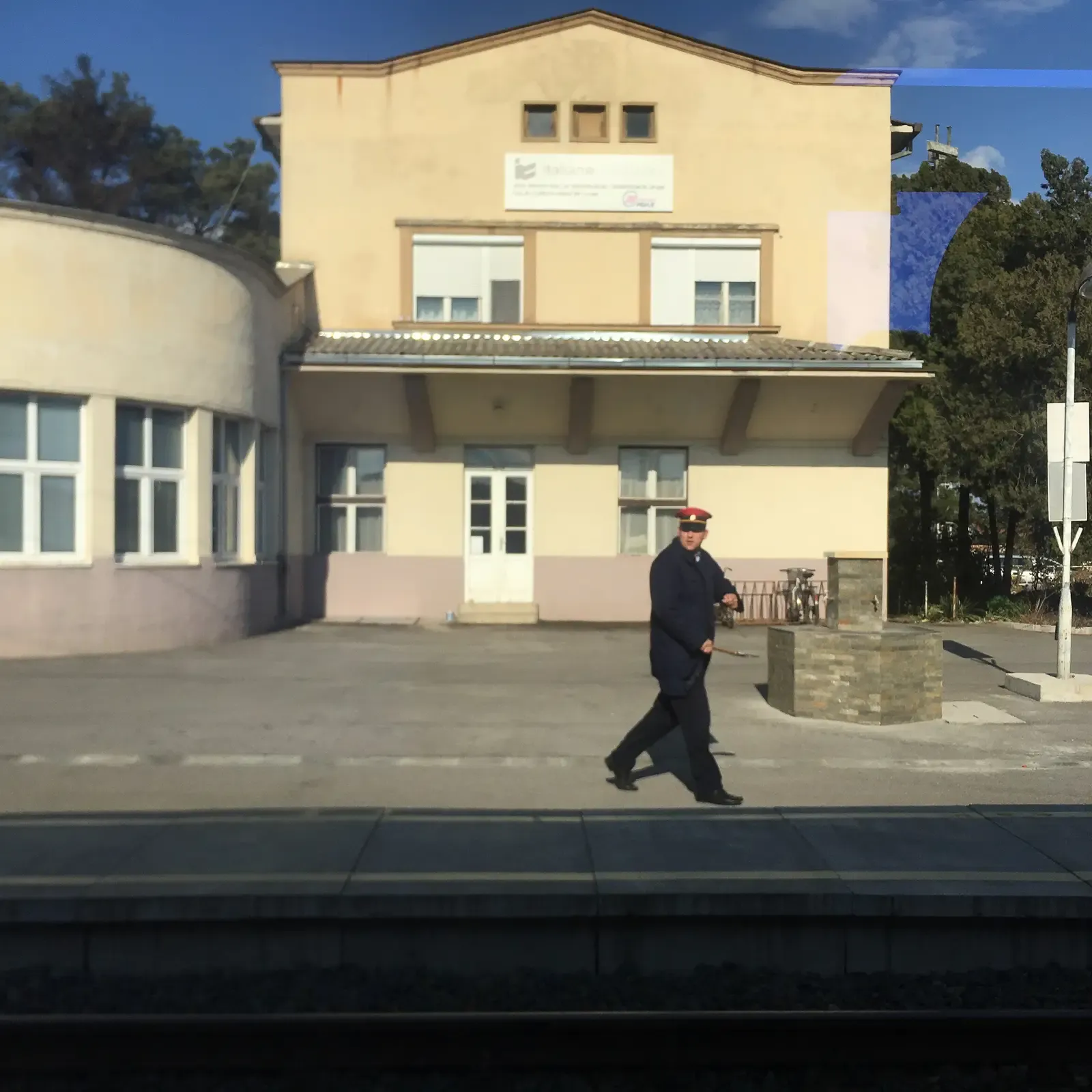
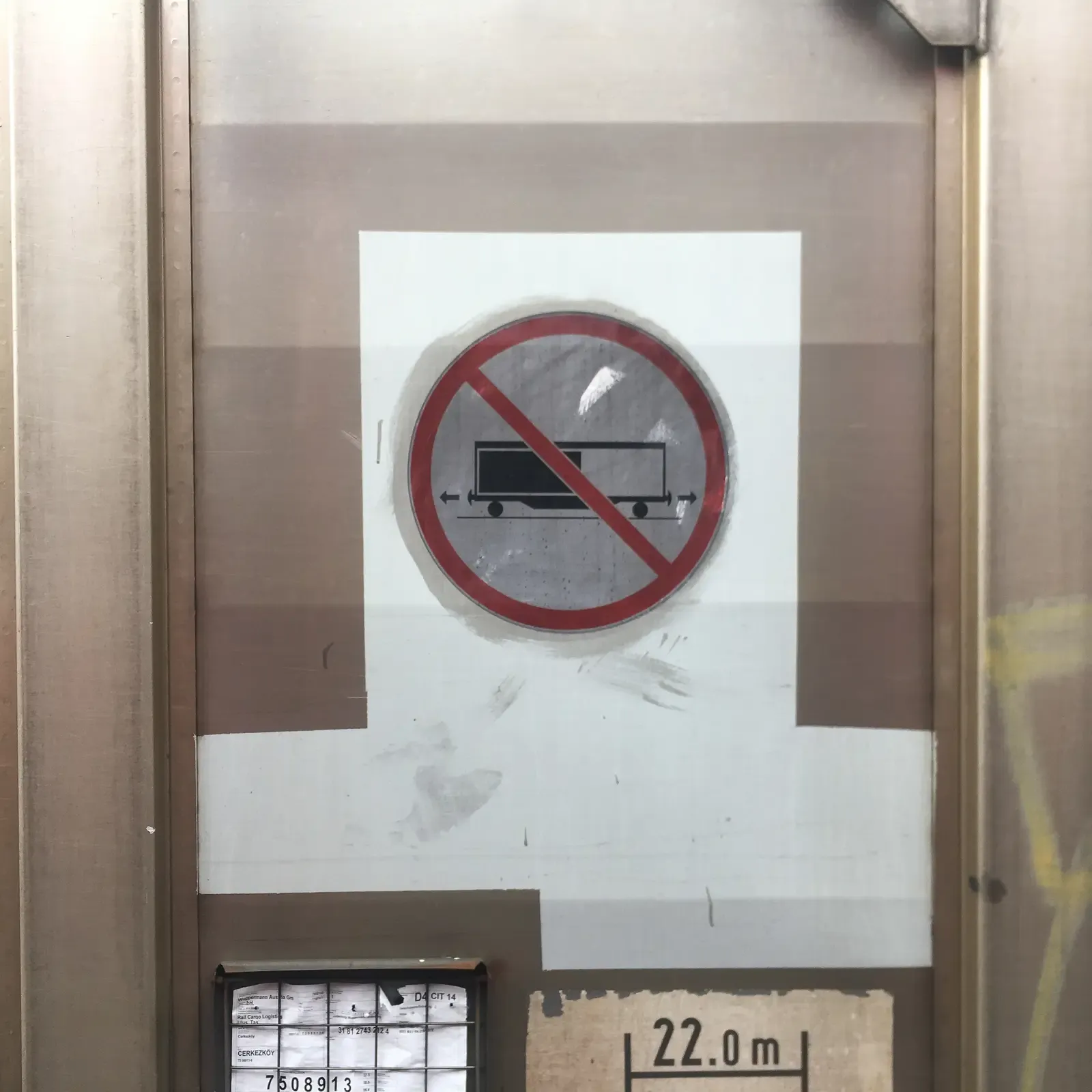
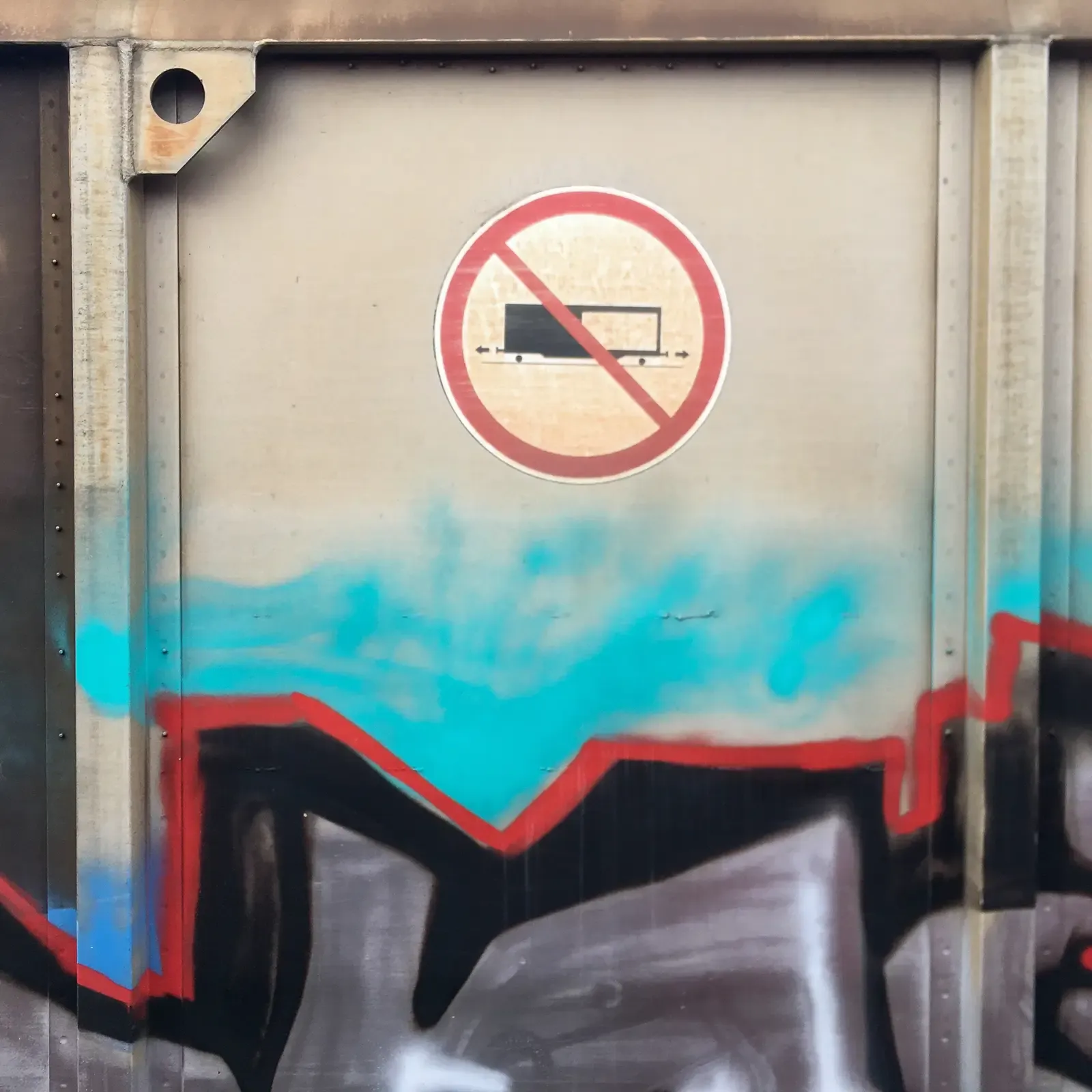
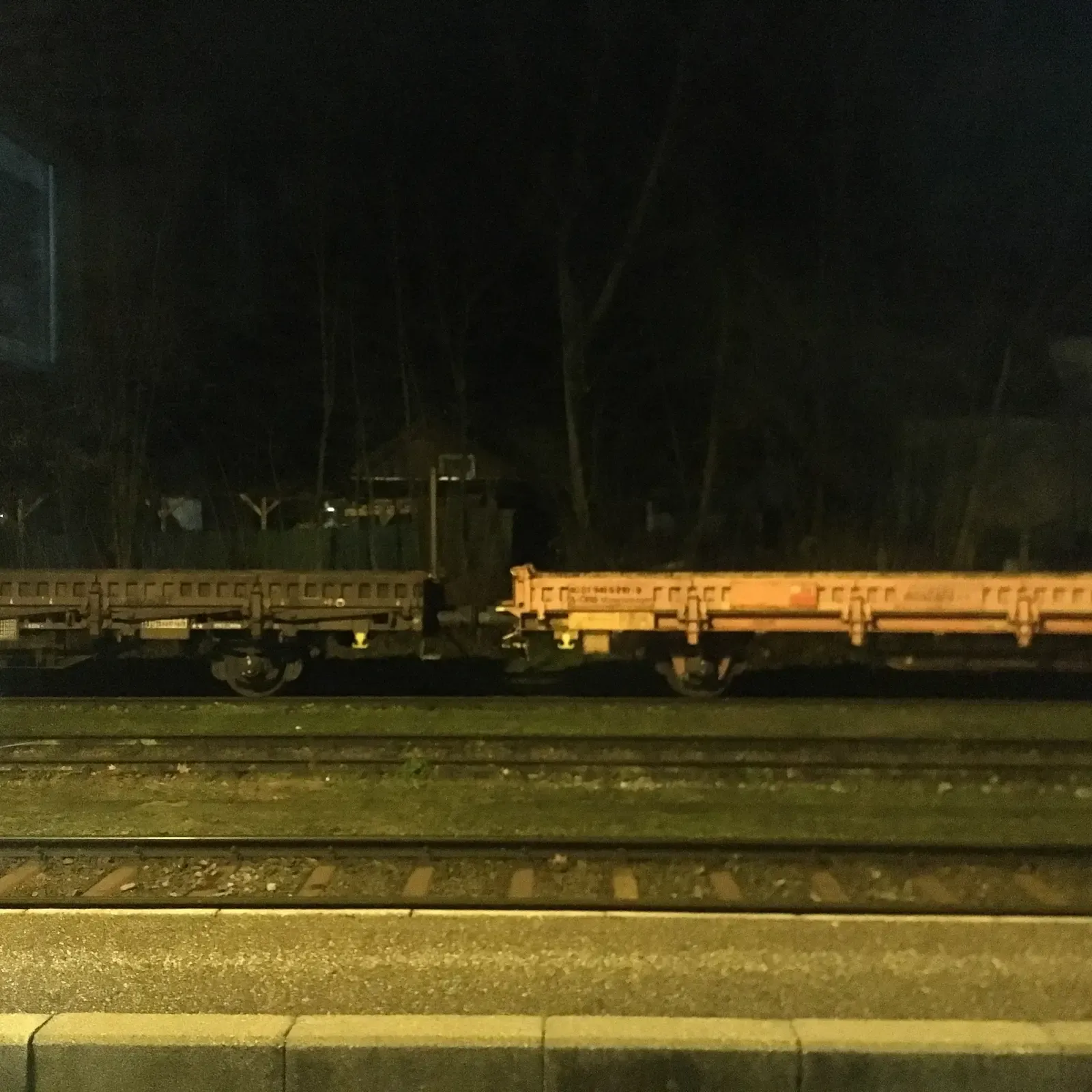
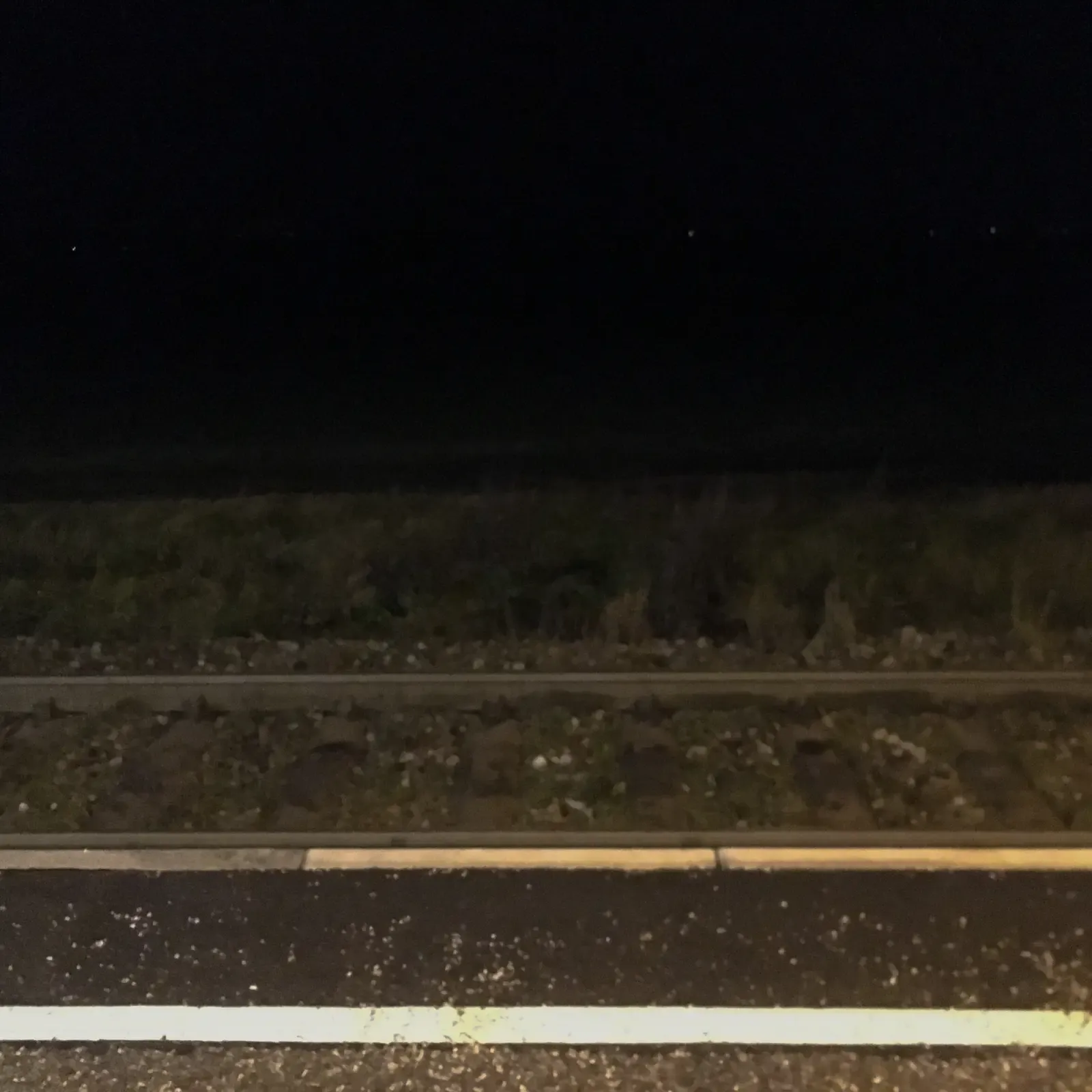
The images in this gallery are extracted from my photobook Points of Transition. It was conceived with an inchoate intention of seeing how, if at all, the station alters its character as you cross national boundaries. In the autumn of 2018, we began a journey across Europe from London and ended it nearly eighty days later back in our home city. Except where geography or politics intervened, we travelled by train. The journey’s furthest point, south and east, was the Bulgarian city of Plovdiv. As we travelled the world outside was seen through glass, often streaked or smudged, reflecting light from sources that are both internal and external. In the scenes that pass across that frame of glass, the stations are points of transition. From the southern Polish city of Kraków the images of the stations were captured with snapshot simplicity: an iPhone laid flat on the glass frame of a carriage window. The only compositional choices were the ‘square’ format and the level horizontal. What lies beyond is happenstance of object, light, smudge and reflection. In the book each station succeeds another in linear narrative. The original conception subsequently acquired a simple overlay; a consideration of the homogeneities of the physical elements of a station and what we see or feel beyond the quotidian of the simple idea of ‘station’?
The photobook contains an essay of my musing on the historical and theoretical contexts for the image series. This is reproduced below, but without the full bibliography – so apologies to those whose work has been quoted without full sources being given.
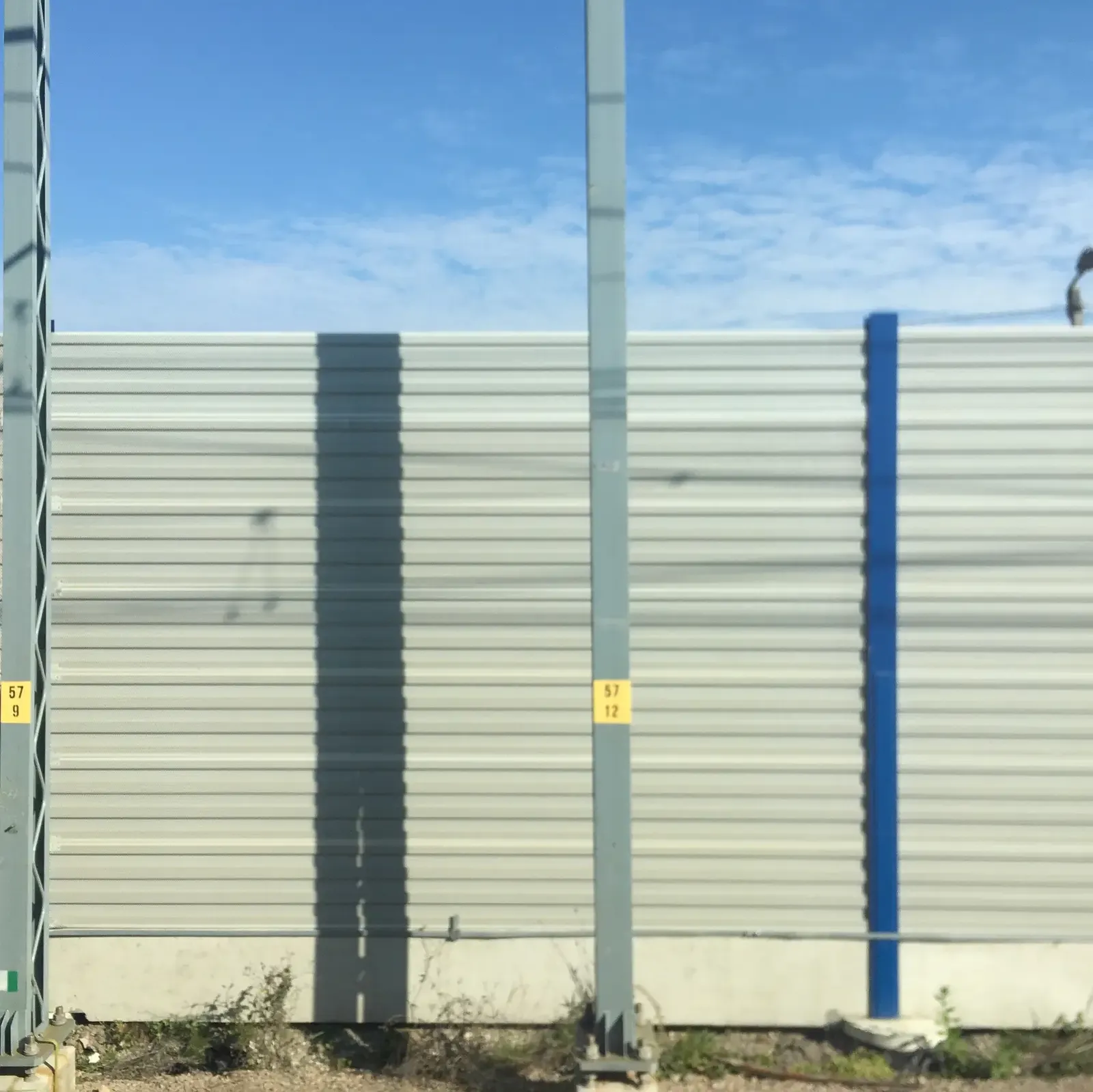
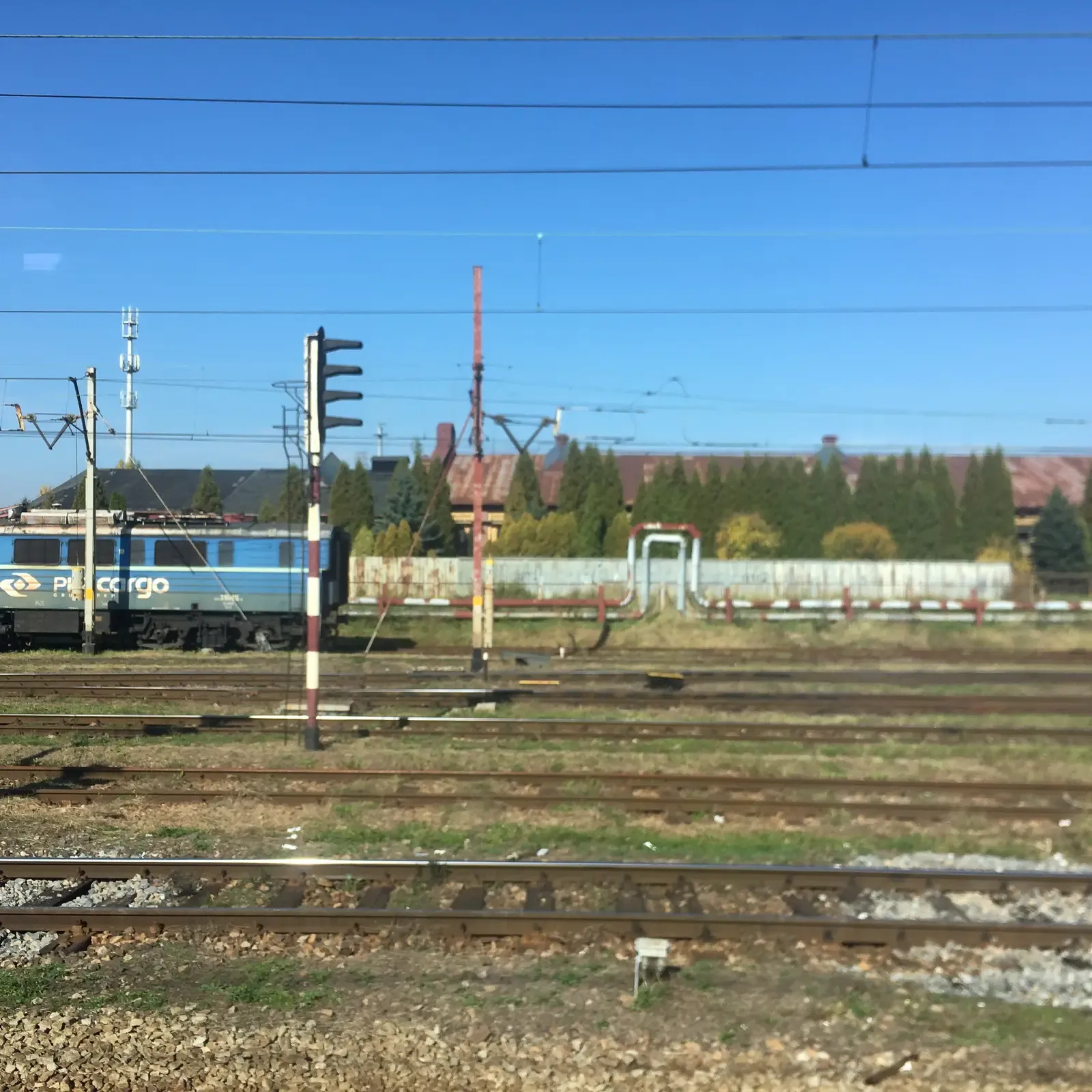
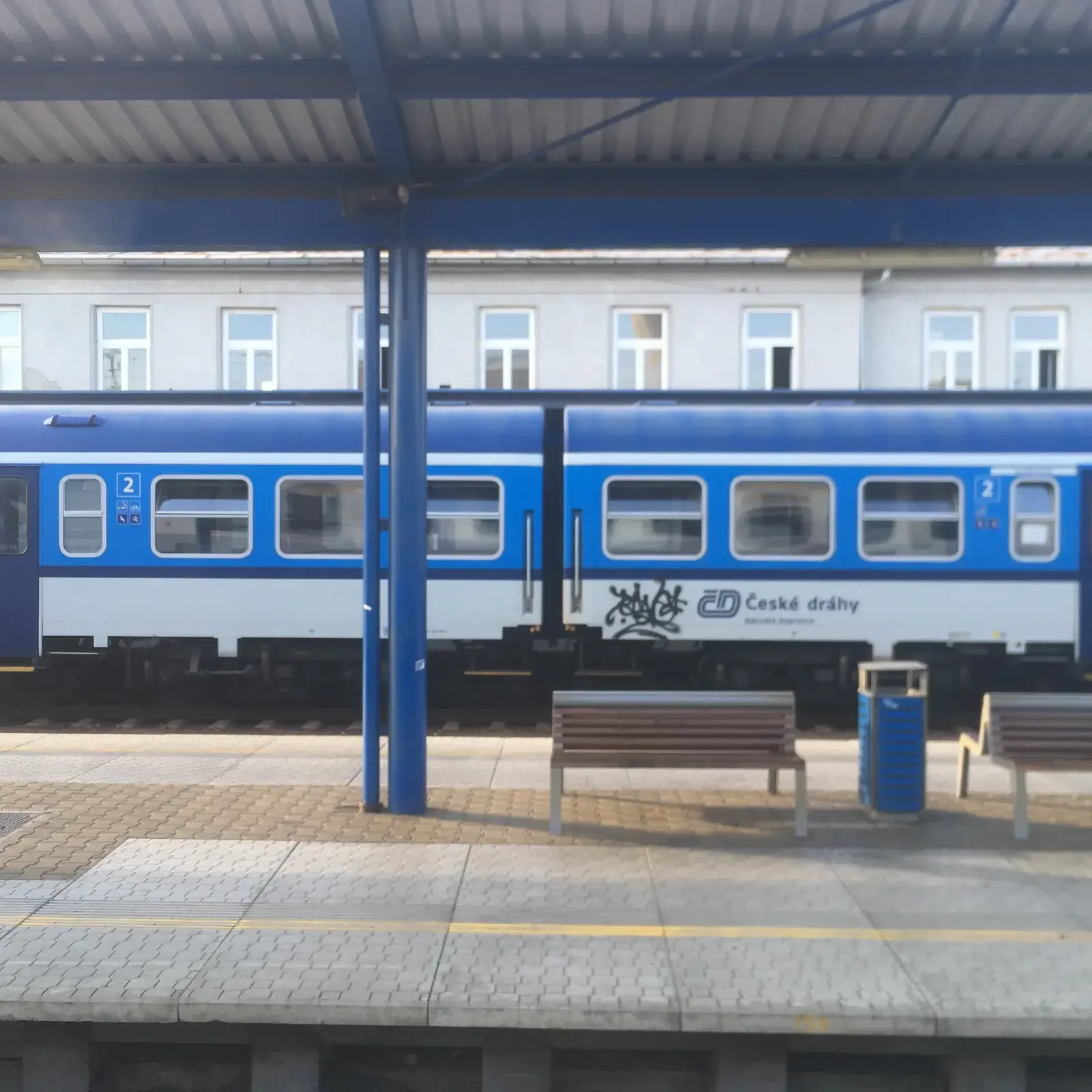
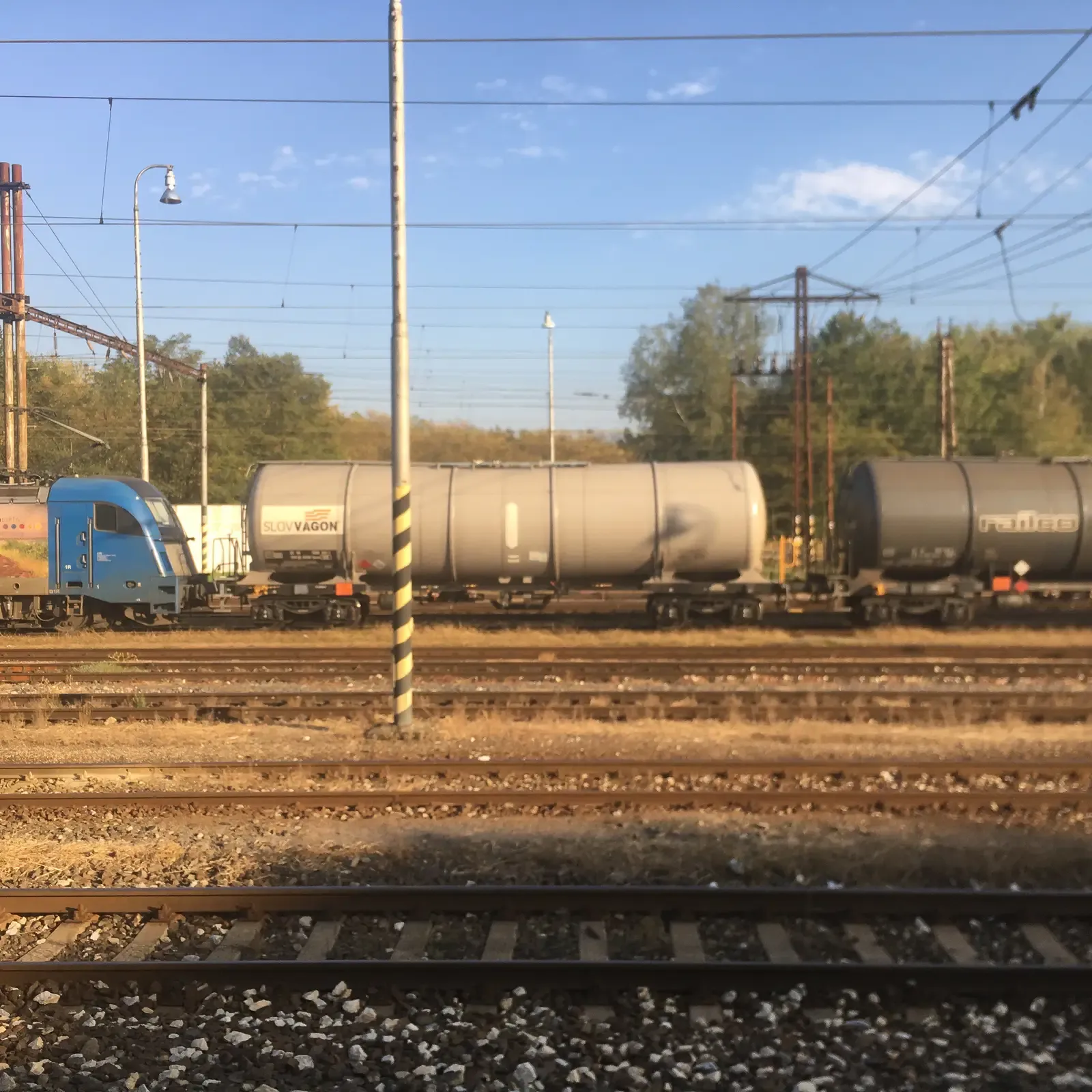

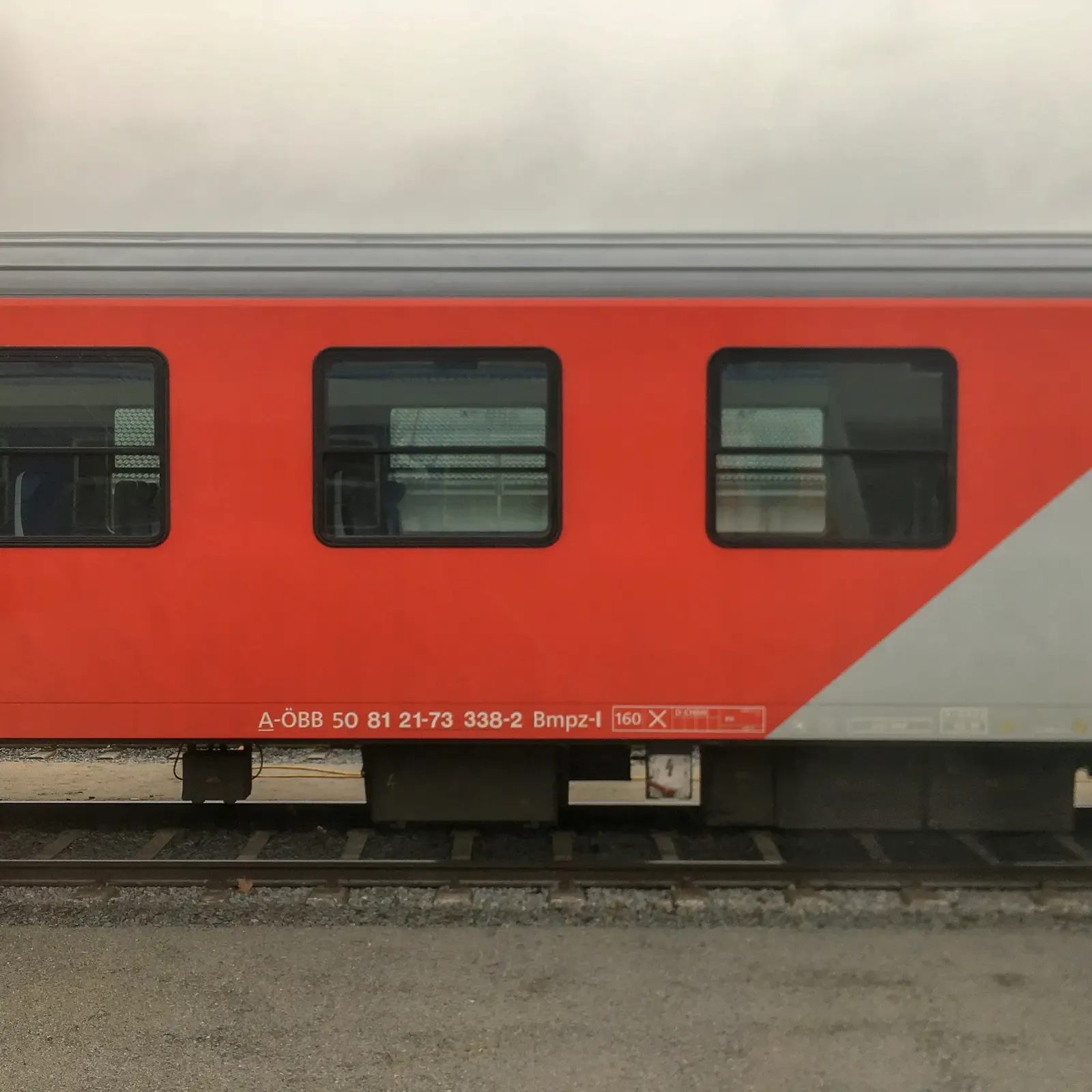
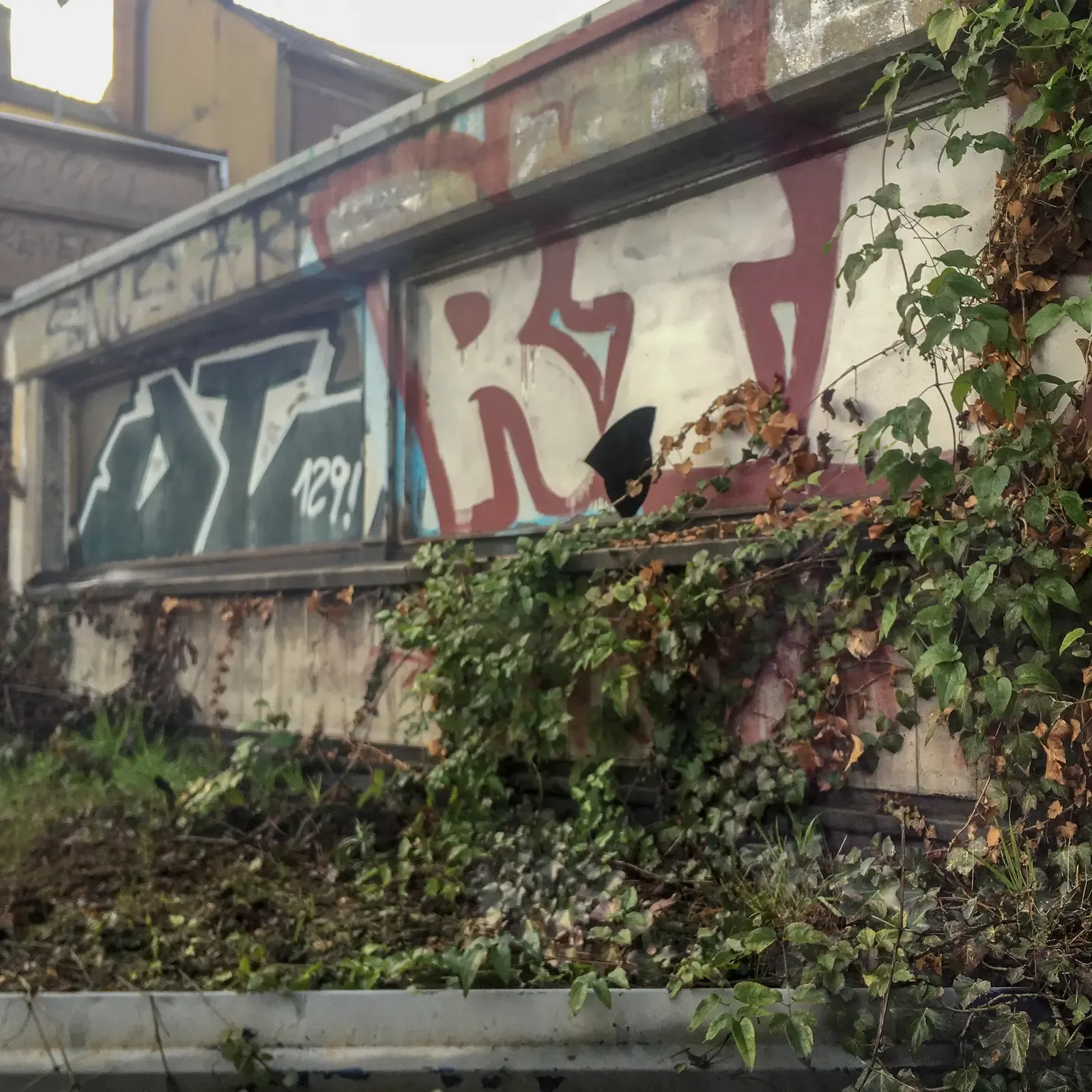
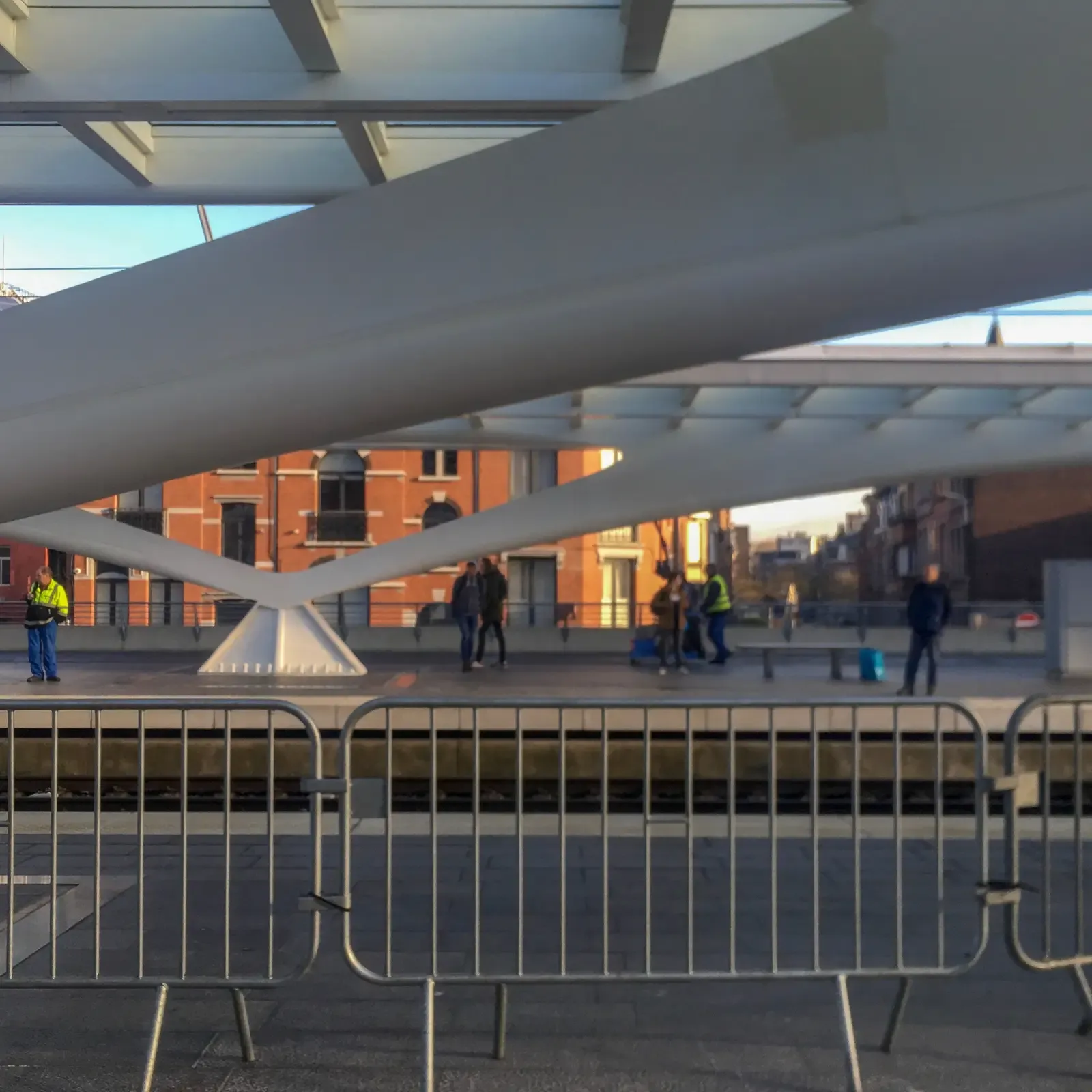
Essay: A View Through Glass
Does the Photobook, Points of Transition, have a Place in Photographic Representation?
1. Introduction
The illogicality of the way the mind flits from one thought to another is at odds with a coherent analysis of the project within the realm of photography. But here I must try and draw together some of the different strands that I consider touch the project. Thus, the repetition in the subject matter and its links to the meaning of banality in photographs lead onto an examination of the historical context of the development of the rail network and its use in a twentieth century that saw the rise and fall of the Soviet behemoth. That context elides with a reflection on the manner that the superficial similarities of the rail trip and the road trip have been treated within the field of photographic representation, particularly in the photo-book, through a similar period and beyond. A branch of thought led to a consideration of the viewpoint of the rail passenger and its similarities to that of the theatregoer that circles back to the affinities between the glass of the rail carriage and that of the camera lens. Does the glass provide no more than a view and a reflection; an image and a thought?
2. So Are They Banal?
Photographer and writer, Eugénie Shinkle has suggested that since the 1950s a strong strand in photography has been based on a ‘preoccupation with the vernacular’ which ‘sees the banal as an aesthetic category’. It seems that this strand has a divergence between two elements. The technically adept where the banality arises from the subject matter: Robert Adams’ tract homes; Thomas Ruff’s anodyne portraits; the Bechers’ thematic repetition of elements of industrial architecture. Then there is the banality of the snapshot aesthetic that sacrifices technical quality for the capture of the quotidian moment: Stephen Shore’s diaristic imagery of American Surfaces; the scarifying self-examination of Nan Goldin’s The Ballad of Sexual Dependency; the voyeuristic questing of Richard Billingham’s Ray’s a Laugh.
The context for these senses of the banal may also be a place in art movements – the Bechers’ seriality moved the banal and repetitious into the artistic mainstream through Conceptual Art. Much of Conceptual Art may have used photography purely to act as a record or as an element that is subsumed by a broader artistic concept. Ed Ruscha ascribed no artistic aspirations to his banal ‘snapshots’ in photobooks such as Twentysix Gasoline Stations. They were simply fillers for the artistic product that was idea of the book, even if those images were to be repurposed in the twenty-first century as gallery-worthy, collectable photographs.
Repetition can be seen as bedfellow of the banal and my images of the stations of Eastern Europe have an element of that repetition at their core; that same ‘artless observation’ that curator Virginia Heckert pinpointed in Ruscha’s Every Building on the Sunset Strip where framing and subject were left to mechanical happenstance, once Ruscha had jury-rigged his camera to the back of a pick-up truck, fixed a motor drive to the camera and chosen the truck’s route.
Viewed from the train, these points of transition can be seen as the ‘non-places’, postulated by anthropologist Marc Augé, which are ‘peripheral to conventional experience and memory, displacing the diversity of vernacular culture with homogenous patterns of repetition that are epitomised by transitory locations’. And the physical entity that is the station is a place where, in the much mis-quoted phrase of Chicago architect, Louis Sullivan, ‘form ever follows function’. Hence identities associated with nationality or culture are frequently subsumed by differentiations that arise because of shades of location, from urban to rural, or because of characteristics of overall function, from terminus to single-platform halt. Many of the repetitious elements of functionality lie in track, platform, access point, boundary features and structures built for waiting, ticketing, storage and information. And yet….and yet. Through the glass that separates the traveller from the scene, these stations have their own gentle differences. The uniformities are often overlain by individual touches in planting, materials, paint colour and clothing, and they have a counterpoint in the linguistic nuances of formal signage.
I pick up the question posed, are the images banal? In this theoretical critique, yes. My images of points of transition pretend to no technical excellence; they are diaristic, they are repetitious of subject matter and composition, their subject matter the vernacular that is a part of everyday life regardless of geographic location. They also have a trace of that ‘sense of a frame having been laid on an existing scene’ that exhibition curator, William Jenkins, felt infused the images at 1975’s New Topographics exhibition (of which Robert Adams’ images were part).
Juxtaposed to this more academic sense of banality’s place in the theory of art, is the everyday sense of the meaning of banality (the concept of the commonplace, devoid of freshness). Viewed in that way, the quotidian imagery of these points of transition is not, for me, limited to the banal. Boredom and ennui, the human emotions allied to banality, cannot be part of my lexicon on a journey like this, undertaken as discovery. And in this context discovery retains both its common meaning and its older sense of the experiencing of what one knows first-hand or either from supposition or from second-hand information. Such a journey embodies novelty and an acquired awareness.
Yet this journey is for leisure and Shinkle suggests that the modern concept of boredom is but a child of leisure.
3. Thoughts of Leisure and Entropy
Leisure is seen as an offshoot of the industrialisation which arose in the same period of the nineteenth century that saw the growth of railways and of photography. The middle classes and elements of the working class acquired leisure time. The mind that had previously had to focus energy on the provision of necessities for existence now had time to think and, as a corollary, time for relaxation – and to be bored. The railways gave access to places where leisure could be taken and, in their wake, fostered the use of photography to take ‘snapshots’ of such places and of the people partaking of that leisure. In this period photography had also spread its tendrils to include a means of documenting the new technologies and drawing attention to its achievements. The photograph of the resplendent railway terminus became but one trope of this recording and, in some cases, those termini acquired an almost iconic photographic status as with those sunbeams streaming into the concourse of New York’s Grand Central Station.
From that soaring grandeur, in what was then known as the West, the railways stumbled through the second half of the twentieth century through a combination of financial neglect, the impact of car ownership and the encroachment on some of its markets by air travel. Mass commuting added to its image as a means of travel taken for necessity not enjoyment. At the same time rail structures and rolling stock alike became a canvas for the spiky colours and personal cris de coeur embodied in graffiti. In the Soviet Union and its satellites, the railways remained a key feature of the transportation of both humans and goods as state control and its allies, state subsidy and unified planning, combined to keep those railways a relevant part of the transport infrastructure, however hampered by the shackles of that centralised control. The new-found revitalisation of western European railways, and the ‘discovery’ by governments of their relative environmental bona-fides in comparison to other forms of transport, coincided, historically, with the arrival in those former satellites of democracy and its bedfellow, capitalism. The investment options for modernising offered by the European Union seeped gradually eastwards, but are not yet as fully accessible to the administrations in a Romania, a Bulgaria or the more recently established states of the Balkans as it is to those nation states that lie immediately to the east of what was once the Iron Curtain. The former Soviet bloc countries longest under the EU umbrella sport new rolling stock and recently improved supporting infrastructure. Our geographic movement south and east sees, beyond the frame of our window, an increase in decrepitude and entropy, and not just in the immediate rail infrastructure. On board catering becomes more functional and, somewhere in Hungary, disappears altogether. The scrutiny of people and passports becomes a regular feature of border crossings. Journey times increase in proportion to distance travelled, giving more time for contemplation of the world within and beyond the frame.
4. The Romance of the Rail Trip
These intersections of the past and present then slip another tangential thought across my mind: where are the photographic forebears of our journey of discovery?
The road trip, romanticised by its roots in a vast country of open, often empty, landscape, became fertile ground for photographers from Walker Evans to Justine Kurland and beyond who documented and took inspiration from their peregrinations by car. In Europe, limitations of scale and the weight of a fractured history worked against this viewpoint and documenting followed a more urban path and the journey of the mind. Yet in neither place has the rail trip evoked even a modicum of the same photographic response. It is not immediately obvious why this should be the case. Writings on the subject are more frequent. The individual elements of rail infrastructure may have provided sustenance for photographic ex-pression, but the cohered series of images are few. The repetition of viewpoint of the crammed commuter trains of Michael Wolf’s Tokyo Compression has certain affinities in its regularity of viewpoint, but it is a static one seen from the platform and it acts as a critique of urban living. The only rail-journey photographic series I could readily bring to mind was Paul Fusco’s RFK, a very singular document of the onlooking crowds seen from the train carrying Robert Kennedy’s coffin from New York to Washington D.C. It would seem that the sustained imaginings of the road trip have not really found an echo in the rail journey beyond the pages of those coffee-table books of ‘great’ railway journeys or the everyday images of holidays recorded by many a touristic traveller.
Given Western culture’s hankering for maintaining railway heritage, this is, perhaps, surprising. But therein may lie a partial answer for it is often steam that is a defining characteristic of that heritage and, at its heart, the steam locomotive as object. The journeying characteristic is subordinated. Also the rail journey is constrained in ways that the road trip is not. Its route and stops are pre-determined. Even if the destination is chosen at the last minute and is unfamiliar, for the traveller these two elements are unalterable. The photographic moments may have to be snatched, for, to recall Robert Frost’s words, they are ‘gone before I can tell what they are’. And the station seems to have had none of the photographic allure of those staples of the American road trip, the diner and the gas station. Reinvented for the twenty-first century as a species of shopping mall (another link to Marc Augé’s ‘non-places’) the main railway station lacks an airport terminal’s self-important hermeticism, its core function being to act as point of transition between the journey ahead and the one just completed. A journey that is more susceptible, it seems, to the imperfections of technology and the vagaries of economics that impose habitual delays.
As a rail traveller lacking the mobility afforded by the car, I find novelty of experience in different ways than when on a road trip. Removal of the need to focus that constrains a car driver and the possibility of being able to move that is forbidden to the car passenger, means there is always this jumble of thoughts scurrying, unbidden, across my mind. I find myself contemplating trivia never important enough to be bottomed out. Why are some platforms level with the ground? What prompts one station to be neatly gardened when the next is decrepit? Why is the patterning of graffiti so uniform across the globe? Why, for the first time after a series of borders crossed, is the train searched with painstaking thoroughness on the crossing into Bulgaria from Serbia?
5. The Station as Stage
Our imposed stop on the Serbian border town of Dimitrovgrad meant that, on the next day, that Bulgarian border was traversed in darkness and our carriage became cocooned in its own reflections, multiplying across the unseen landscape. At subsequent stations the view that night also reflected the physicality that is me. Another tangential reflection: my situation as photographer and spectator. The allusions elicited by the conjunction of seat and window are manifold. The scenes unfold outside with the forward momentum of a movie. The view from a window seat has its equivalent in the view from the box in a theatre, the one aslant the window, the other aslant the proscenium stage. At the station the view seen by my lens laid on the window glass becomes as the view from the stalls, looking out at a scene, constrained. The role of a camera is to take a frame chosen from a photographer’s theoretical 360° viewpoint but, on the train, the glass screen becomes its own frame constraining camera, photographer and, ultimately, viewer. The halt at the station emphasises these analogies; the scenery is static, awaiting the entrance from the wings of the human actors of the quotidian, crossing the stage, participating in life.
Another thought plays alongside this. The actors in a play have a knowledge of the presence of their observers, the audience. On the station as stage seen through the window, human presence carries no real awareness of scrutiny. Whilst I seek out those moments, the brevity of halts does not allow the luxury of extended waiting and, devoid of human presence, the landscape is oblivious to my smartphone’s gaze. I know that if the people outside saw me and my smartphone, my affective response would be an immediate sense of guilt, perhaps accompanied by a childish pretence that the people were not the subject.
6. The Frame Laid on a Scene
In truth, and to borrow phraseology from William Jenkins in his introduction to the New Topographics exhibition, the ‘photographs…are abstractions, their information selective and incomplete’. Thus characterised, my selective and incomplete images of these points of transition become a means for me to create an inchoate amalgam of culture, history, description, fiction, questions and half-framed answers. In this amalgam there is no conclusion, only engagement with the world outside the glass.