Prelude
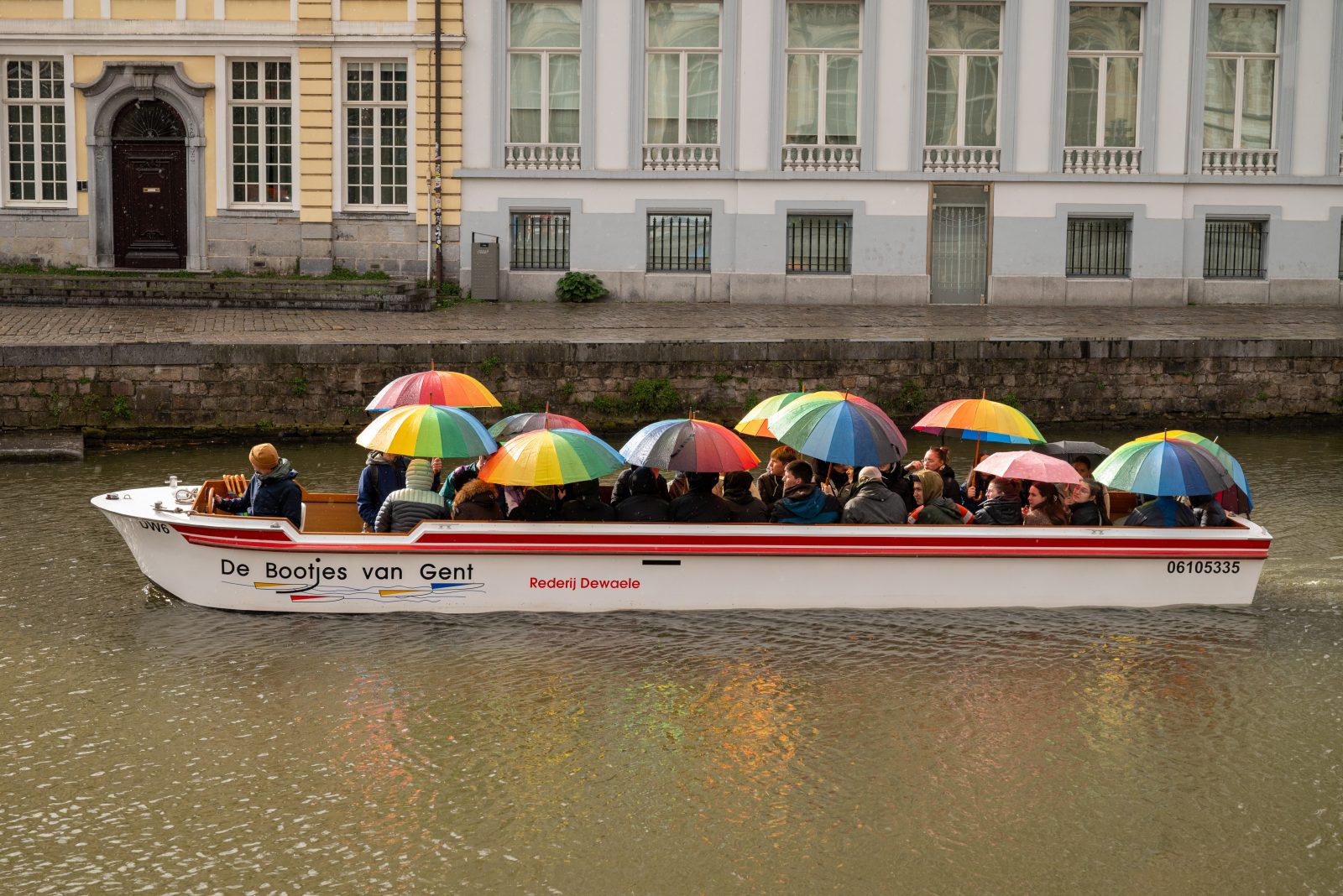
Canals and canal tours, historical squares, classical and contemporary music and art, city history museum, Golden Age Dutch and French architecture, belfry, cathedral and grand churches, beguinages, cobbled and pedestrian-prioritising streets, a wealth of cafés and Belgian beer bars, a wide offer of restaurants for Belgian and international foods, artisan chocolatiers, quiet quarters of residential housing, contemporary architecture, fantastic bridges. All of these things are to be found as ‘things to do’ in Bruges on their official tourism website. Now add in a vibrant student population, a tram system that winds through the town centre, an ancient castle still standing resplendent in the heart of the city, a revived 19th century dockland area of open spaces and modern housing, a plethora of street art, a multitude of different markets in the squares, bicycles everywhere (student needs again) and an overarching urban vibe that comes from being a modern city and port of a quarter of a million people and you have Ghent. And, by train from Brussels, it is only half the journey time of that taken to reach Bruges.
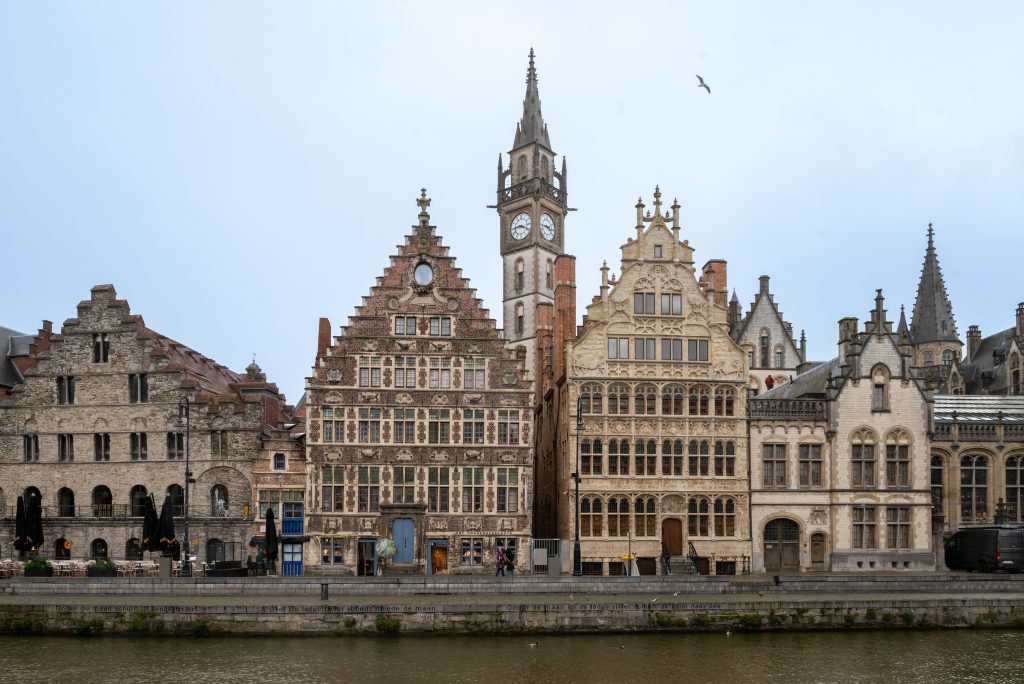
We have visited both cities in the last year and both are special places to visit, but we preferred Ghent. It was something about the fact that, whilst it is still busy with weekender tourists (local and international), its central area does not feel quite so overrun, especially on weekdays. It is also the fact that the city (Belgium’s third city) thrives as a modern centre with locals making fewer concessions to us tourist hordes (without neglecting us by any means, as their excellent tourist information website and office attest – https://visit.gent.be/en).
Structure of the Trip
Having seen that there was a potentially fascinating exhibition we wanted to go to on in Ghent (or Gent, as the pre-dominant Dutch-speaking Belgians of the city would have it) adding in a long enough time to imbibe some of the atmosphere of the city seemed appropriate. A stay of four nights gave us three full days in the city, enough time to sample sights, food and that atmosphere but, like all good trips, leaving us aware that there was so much more that could be enjoyed. Self-booking is the obvious way to go here: a Eurostar from St Pancras to Brussels, train to Ghent, hotel researched and chosen for location, comfort and accessibility to public transport, and, after online research, restaurants booked for the first three nights.
I take an aside to say we have now taken to using the free AI Large Language Models to aid our researches. To the extent they have become a tool for us, I have updated the piece on Planning and Researching in the Travel Planning section to cover the way we use them.
Getting There
Is a breeze from central London as the city’s main station, Brussels Zuid/Bruxelles Midi, serves both the Eurostar from London and nearly all through trains to other parts of Belgium. Ghent is under thirty minutes by train from Brussels Zuid/Bruxelles Midi. There are several trains an hour to choose from. This meant that, in case the Eurostar was running late, we could have the flexibility to decide which train to take after we arrived in Brussels. I have touched on use of the station at Brussels in a previous post (in the Getting There section under the heading of Frankfurt in my piece on Salzburg, The Bavarian Alps and Cologne) but the encyclopaedic train-travel website, The Man in Seat 61 (https://www.seat61.com/stations/brussels-midi.htm), covers the whys and wherefores of using the station. My only minor gripe with the workings of the station is with the electronic departure boards which, unlike their British equivalents, don’t seem to list out the intervening stations, just the destination and one or two intervening stations. This means it isn’t always easy to be certain which is your train to Ghent, so keep the Belgian Railways website to hand to check the final destination of your chosen train. Booking for Eurostar was made through their website and, for the Ghent trains, by using the English language section of the Belgian National Railways website (https://www.belgiantrain.be/en).
Mobility Access
The one thing not fully covered by the Man in Seat 61 is accessibility. For those with constraints there are a couple of issues to consider. I have added a section to cover use of the Eurostar at St Pancras to the piece on Travel from London in the Travel Planning section. At Brussels, as I mention in the post noted above, the concourse runs underneath all the platforms and lifts and escalators up to and down from the platforms make transit fairly straightforward. However, restoring some of this machinery seems to be a continuing process, so you may find the occasional lift or escalator out of action, but each platform access has both, so one is usually available if the other is out of action.
Ghent’s main station is Gent-Sint-Pieters and, at the time of our visit, was undergoing a major revamp. Like in Brussels the concourse is under the platforms and that means it looked like a building site down there with hoardings, concrete columns and a general gloominess adding to minor changes of level on the walkways and signage that is a little thin on the ground. The latter meant finding our way out to the taxi rank wasn’t straightforward. Coming out on the wrong side of the tracks (the south side of the station) meant a walk of around 300 metres. We were fortunate to get the only taxi waiting. Try and find your way out to the northern side of the station if you can. There the bulk of the taxis and public transport can be found. You can use the excellent public transport system to reach the city centre, but we always find it can be hard work wrestling suitcases off and on buses and trams, hence the taxi.
Practicalities
Time
One hour ahead of the UK, six ahead of New York, so the same as the rest of Western Europe.
Language
There are three official languages. These are Dutch (predominantly spoken in northern Belgium or Flanders where Ghent lies), French (predominantly spoken in southern Belgium or Wallonia) and German (first language of only about 1% of the population). And, almost inevitably, English is widely spoken. I cannot think of anyone we interacted with, whether in hotels or shops or restaurants or museums and anywhere else, who did not have reasonable to excellent English.
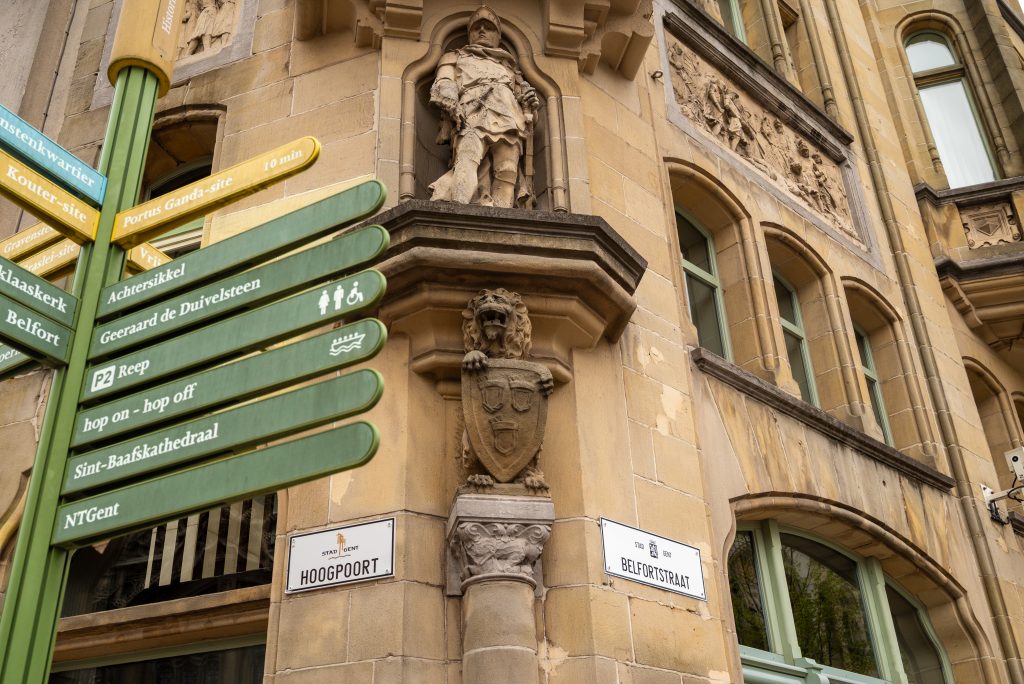
In the city I found it helpful to be aware of the Dutch name for places and squares because directional signage and tram/bus stop names are only in that language. When talking about sights that might have English names in guidebooks or maps, I have tried to give the Dutch name in brackets.
Currency and Card Payment
The currency is the euro (€). Indeed Belgium was one of the original swathe of countries who took up the euro at 00.00 on 1 January 2002, a night we were in the neighbouring city of Bruges when New Year revellers were queuing at ATMs to be amongst the first to get their hands on the new currency.
Now of course we are in the world of chip-and-pin machines and these are in use just about everywhere, bar the odd recalcitrant taxi driver, but including on the buses and trams. So just a bit of cash is needed for those occasional small expenditures.
Tourist Information
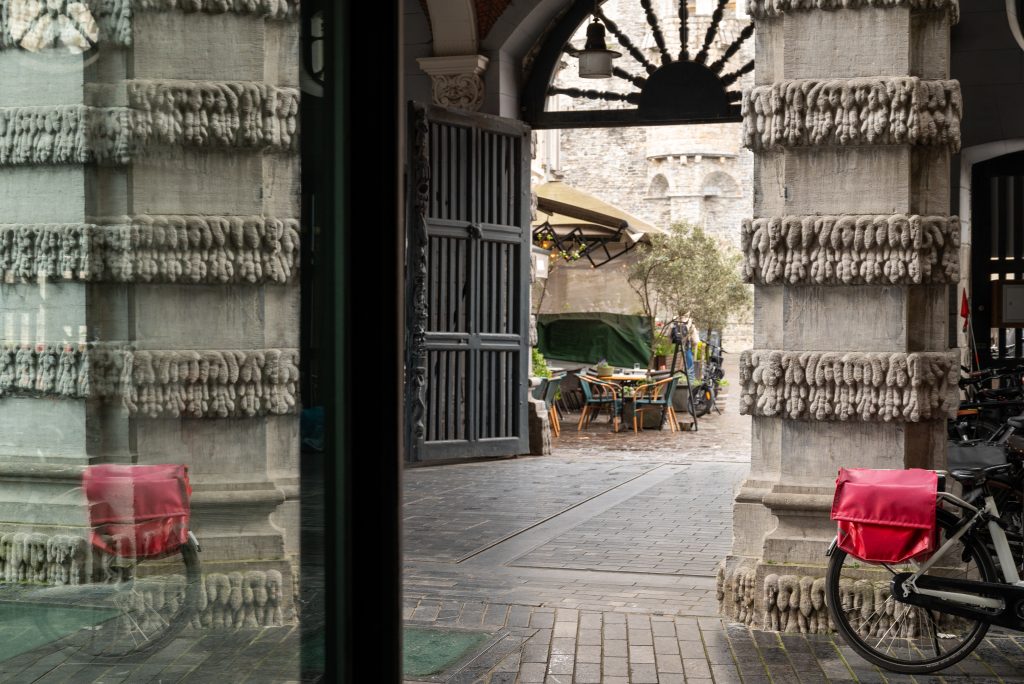
As mentioned, Ghent has an excellent tourist information website (https://visit.gent.be/en) and it was one we used extensively to seek out information on sights, walks, areas to visit and transport. The Tourist Information office is slightly hidden in a modern space created within the Old Fish Market building near the Castle of the Counts (Gravensteen) reached through a grandiose Baroque entrance off the busy square of Sint-Veerlplein. It was staffed by two thoroughly helpful people. They not only answered my query about those with mobility issues managing a tour around the castle opposite (not realistic, too many steps inside the buildings) but also spent a considerable amount of time working out the best way for us to get from our hotel to the MSK (the location of our booked exhibition) the next morning. You can also buy your Ghent City Card (see below) here.
We have started to move away from using city guidebooks on visits like this given the availability of online information but here we had an unexpected gem, courtesy of our hotel (1898 The Post). In our room was the guidebook, 500 Hidden Secrets of Ghent. This had a wealth of information about the not so obvious sights, eating places, shopping, street art, coffee and beer outlets and much more besides. We used it to give focus to our walks, find coffee stops and read up about possible restaurants for our final night. It is an excellent adjunct to the mainstream tourist information. It is available in the UK as part of a series that we will definitely consider for future city visits (https://dauntbooks.co.uk/shop/books/the-500-hidden-secrets-of-ghent/).
The City Card
Like so many cities nowadays, the City Card gives you free use of public transport, a boat tour and entry to many museums with discounts on bike rental. Details of costs, where to buy and usage are found by digging around on the city’s tourist website (https://visit.gent.be/en/good-know/practical-information/citycard-gent). We didn’t use one and, in retrospect, it might have made sense, even though we had already booked our tickets for MSK.
Getting Around
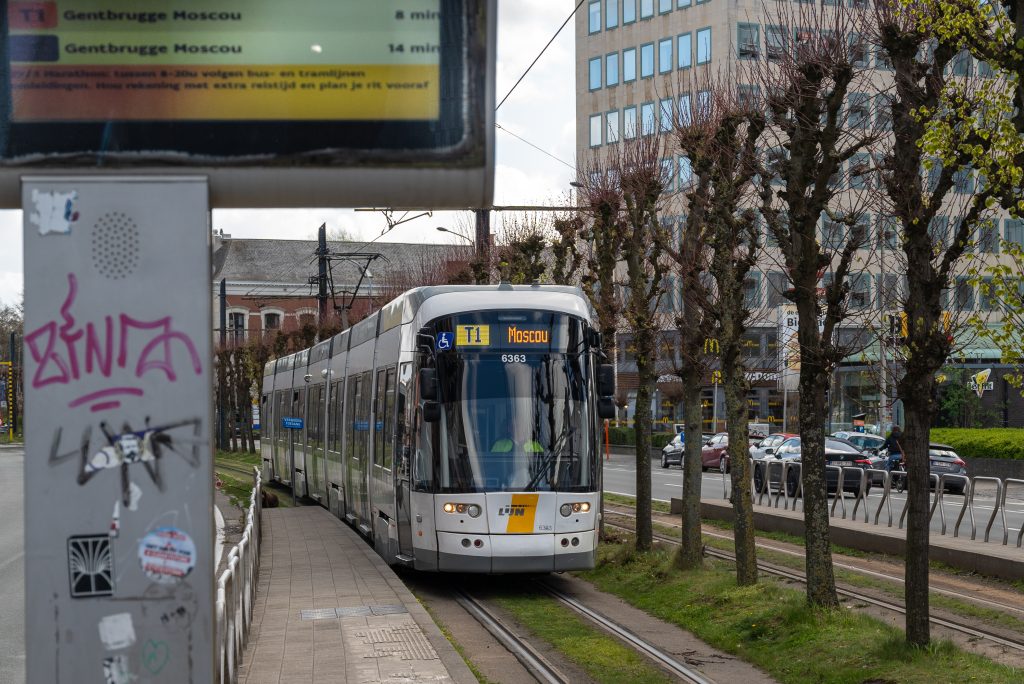
Cars (except licensed taxis) are barred from the central historical area of Ghent but trams, buses and the ever-present bicycles do access the area. The modern trams run on four different routes around the city centre and we found that, used in conjunction with the buses for some locations, we could easily access most places we wanted to visit. We used credit cards for our trips. You just touch them onto white-coloured readers. Don’t try to touch in on the black and yellow card readers which are for the users with city travelcards. If you are referring to a paper map handed out by your hotel or by the Tourist Information office, the tram routes it shows were, at the time of our visit, incorrect. They have closed some and re-routed others. I had to resort to the helpful Tourist Information staff and coloured marker pens to mark the correct routes on my map. Of course, the local transport service, De Lijn ( https://www.delijn.be/en/), has a good multi-language journey planner and, I have to confess, Google Maps is getting better and better at offering public transport options, even if it doesn’t like short journeys it thinks you should be walking. You can buy tickets at the tram stops, at De Lijn’s central office on the south side of the Korenmarkt or use a City Card. If you buy single tickets or you use your credit card to pay for a ticket, you get one hour’s usage which allows interchanges between buses and trams during that time.
Mobility Access
A modern system with raised platform stops for trams (that are also used by some buses) giving step-free access to the interiors. Like all trams they can fill up during the city’s ‘rush hours’ and with weekend shoppers which means seats can be at a premium at certain times. However, Ghent is not as busy a city as some and there were only rare occasions when we had to go without. Buses generally require a step up into the interior.
Taxis in Ghent are available from ranks. We used the one next to St. Michael’s Bridge (Sint-Michielsbrug) which was right outside our hotel’s door onto Korenmarkt. There was always a taxi there when we needed one. You can ask restaurants to book a taxi to take you home at the end of the evening meal, if needed. Because all cars other than licensed taxis are barred from the central area of the city, ride apps like Uber are of little help in this central area. The taxis are quite expensive for short trips (the starting fare exceeds €10) but were useful to us when a walk on the cobbled streets was impractical for limbs already tired from use during the day. Also, perhaps being spoilt by the ‘knowledge’ of London taxi drivers meant being surprised that not all the drivers seem to be that well-acquainted with their own city, make sure you have the address of your destination to hand to show the driver.
Activities
Walking the City
Another of those cities, so irritating to the mobility constrained, where you are told walking is the best way to see the city. It undoubtedly is but those with mobility constraints should bear with me here. The city’s key sights are concentrated around the city’s touristic heart, Korenmarkt (translated variously as Wheat Square or Grain Market) which is often busy with us tourists except in the early morning. Within 400 metres walk from here you can take in the Cloth Hall (Lakenhalle) with its accessible belfry (Belfort) giving views over the city, the Baroque and Rococo extravagance of St Bavo’s Cathedral (Sint-Baafs Kathedral), the Town Hall (Stadhuis) which even the city’s own website confesses is a ‘schizophrenic building’ (part Late Gothic, part Italianate Renaissance palazzo), the stunning views of churches and quayside Dutch merchant style buildings seen from St Michael’s Bridge (Sint-Michielsbrug), the Castle of the Counts (Gravensteen) and a wealth of excellent Belgian chocolatiers.
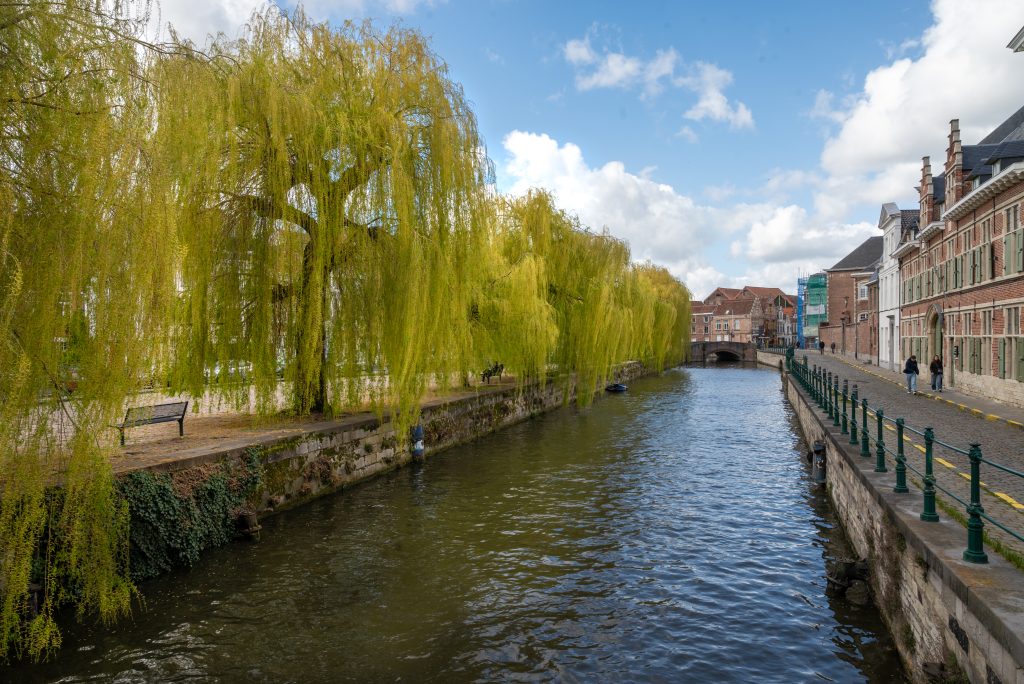
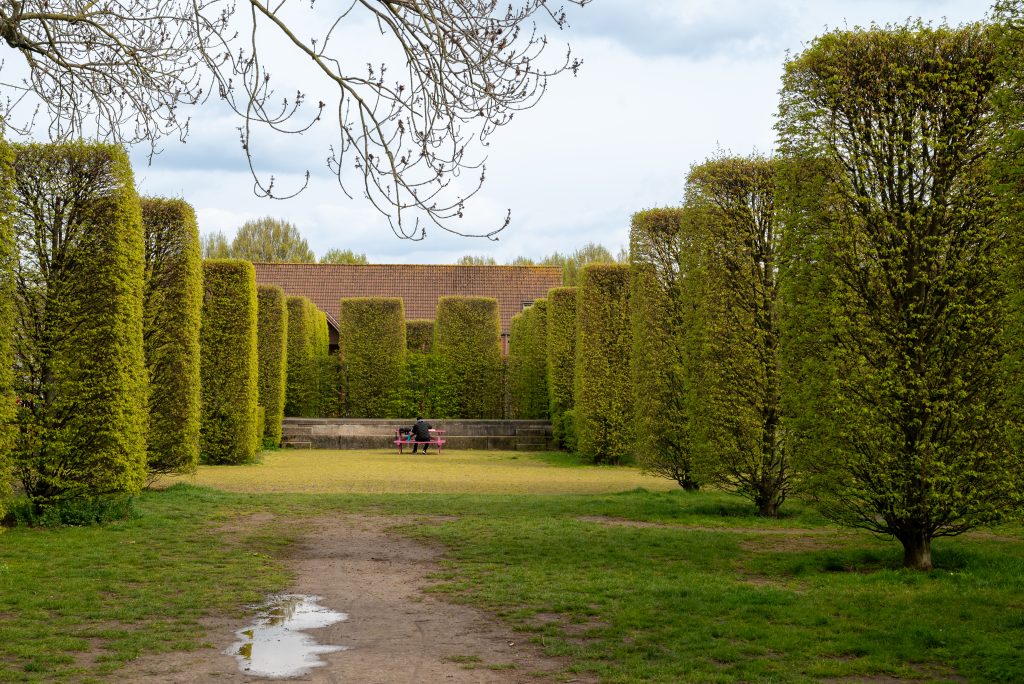
But just outside this area are some delightful and much quieter streets. Petrshol, the area to the north and east of the castle has its tourist hub along Kraanlei, the quayside on the River Lys (Leie), but head north from the castle along the smaller river Lieve and you can take in the quiet backstreets and elegance of the quays with the small, willow-lined park of Kinderrechtenplein and the wacky footbridge, the Bridge of the Imperial Delights. Or head into the area around St Jacob’s Church (Sint-Jacobskerk), south across the river from Petershol where the open square of the Friday Market (Vrijdagmarkt) throngs with people at the market on Fridays (of course) and Saturdays and is circled by a number of architecturally interesting buildings. The streets surrounding the church which gives the district its name also boast a wealth of bourgeois architecture from across the recent centuries. Turn eastwards and you hit the old docks area of Portus Ganda, where a large basin is now home both to barges converted to houseboats and to more modern pleasure craft. Like so many former dock areas it is now home to a judicious mix of homes from the seventeenth to twenty-first centuries. And tucked into another green space (Coyendanspark) are the remains of St Bavo’s Abbey (Sint-Baafsabdij), the site of the former abbey church now marked out by a stand of carefully trimmed hornbeam trees.
From there it is a short step across a bridge (Slachthuisbrug) to the long narrow island of Visserij that sits in the middle of the River Lys (Leie). Here a quiet quayside road along one side looks across at another engaging mix of housing but I found the narrow footpath down the west side more interesting for the views of the backs of the houses and gardens beside me and the more recent buildings of educational establishments across the river, much of it decorated by the street art that is such a characteristic of walking the streets of Ghent (see my Photo Gallery, Ghent’s Art of the Streets).
Mobility Access
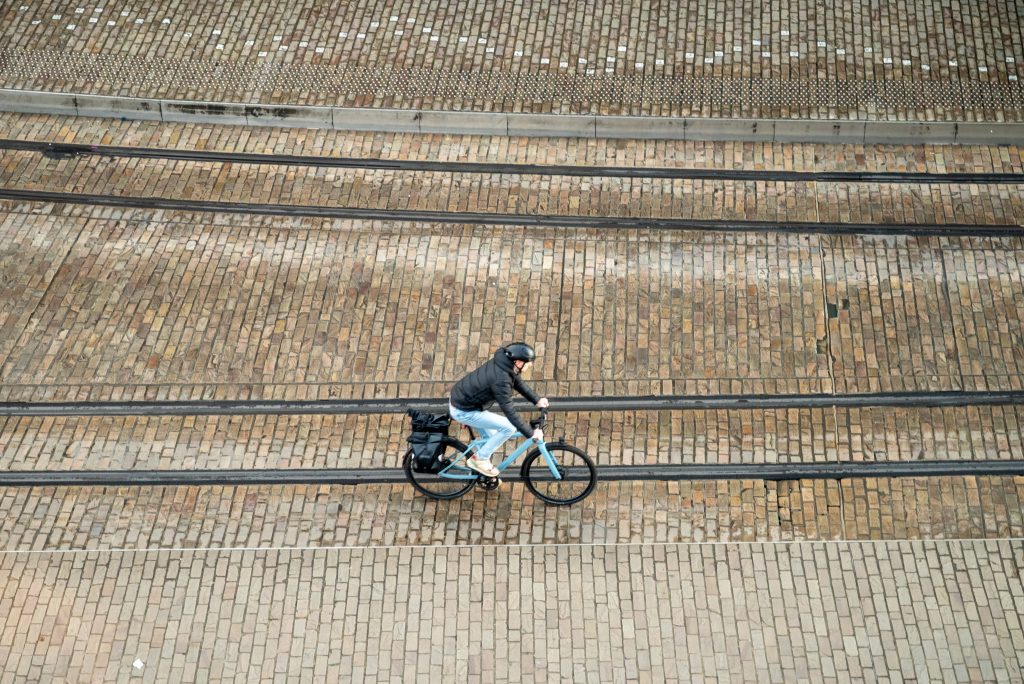
Walking distances can be managed to a certain extent by judicious use of rest stops and public transport. The main concern in the central areas (and beyond) is the cobbled surfaces. In simple terms they can make it quite difficult for those who prefer to walk on smooth surfaces. In the city centre (quite a large area with most of the key ‘sights’) grey, brick-shaped cobbles predominate. In some places the surfaces are quite smooth but the bulk of both roads and pavements are quickly tiring for lower limbs that are susceptible to destabilising surfaces. Yes, there are plenty of stopping places (cafés, restaurants and bars) to break up any strolls, but some forethought may be needed when venturing forth.
Museum of Fine Arts (Museum voor Schone Kunsten Gent) or MSK
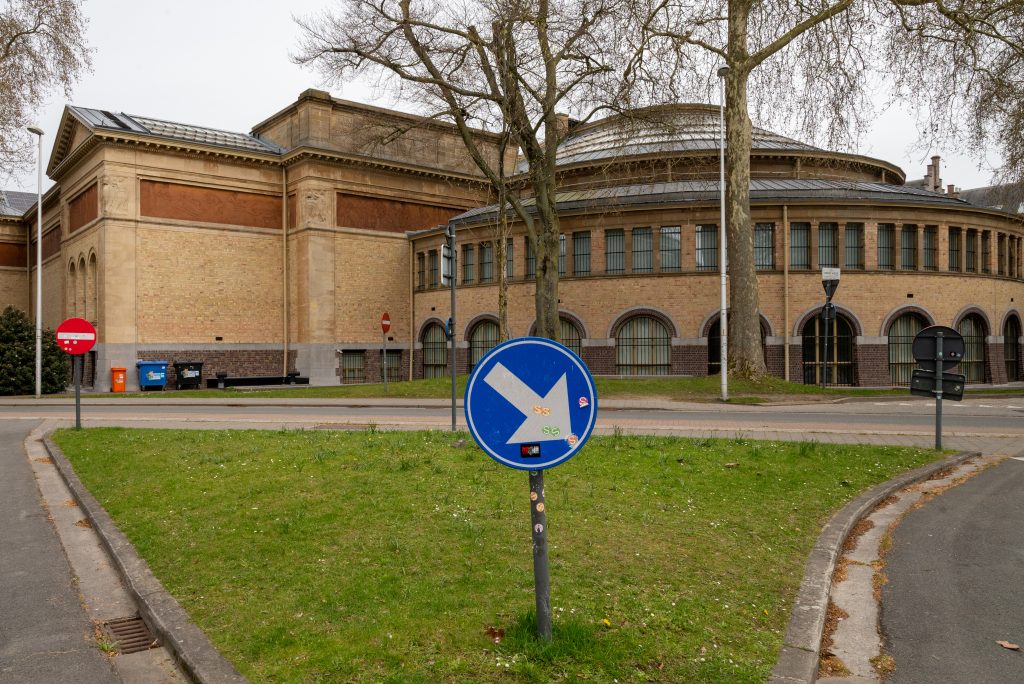
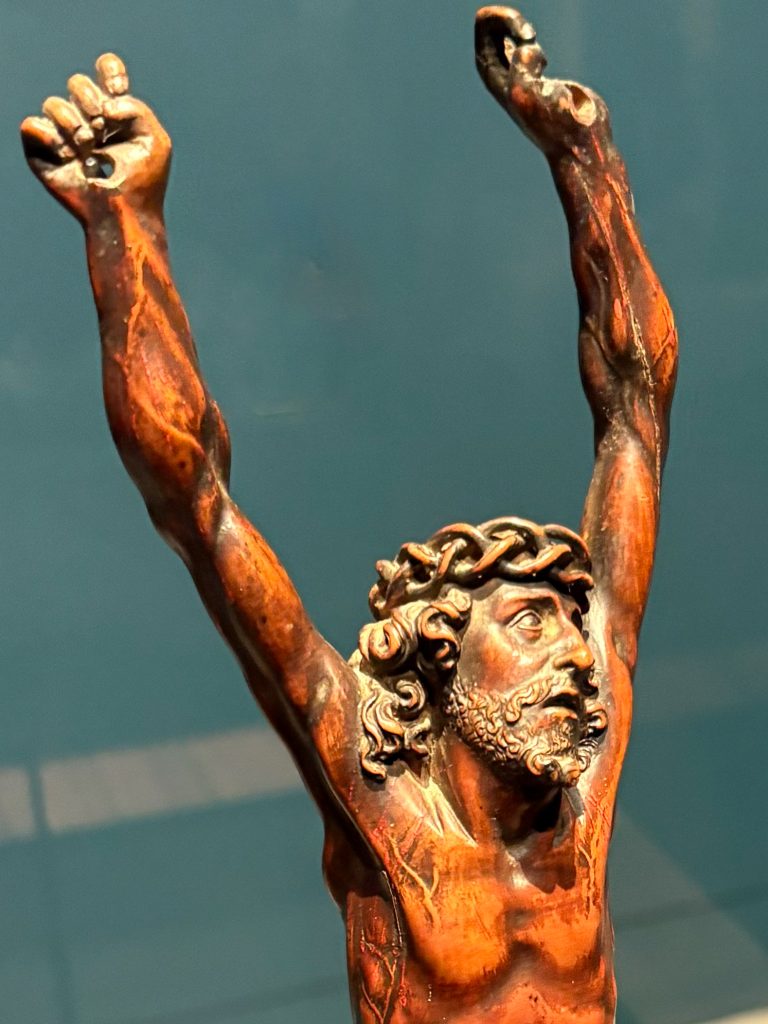
Thankfully the folk of Ghent are big into acronyms so, avoiding the need for memorising lengthy names, this is simply MSK (https://www.mskgent.be/en/) and is known as such by useful folk like taxi drivers. This was the location for our booked exhibition, Unforgettable: Women Artists from Antwerp to Amsterdam 1600-1750. This was the latest exhibition of a few that are finally giving focus to women in the pantheon of fine art. It is too long a subject to go into here but the ignoring by ‘art history’ of the role played by female artists is now being recognised with a number of major exhibitions in recent years. Here was a wealth of creativity on display not only in painting but also in other arts such as lace making. It is telling to note that for many years some works of clear merit were later mis-attributed to male artists of the time such as Frans Hals and others. Of course it was only a temporary exhibition but so good as to draw us back for a second visit. The museum has a separate, extensive permanent collection but after 2½ hours in the exhibition we needed a break. That collection is of predominantly Low Countries artists and covers all periods but with a focus on nineteenth and early twentieth century works. There is quite a small café in the basement that gets full at lunch time.
We actually headed across the road to another acronymic museum, SMAK (Stedelijk Museum voor Actuele Kunst), the contemporary art museum, for our lunch break. There, in the lobby, this more modern style coffee bar and eatery reflects the contemporary artwork through its more contemporary style and clientele. Stereotyping slightly, to me every user here seemed to be under thirty-five whereas those visiting MSK were our age and older.
Mobility Access
MSK has a flight of 12 stone steps up to the entrance hall, but there is an accessible entrance at street level on the right hand side of those steps. Inside, as you would expect from most museums in this day and age, the galleries are fully accessible with lifts between the floors. Floors are level and smooth throughout the areas we visited. They have portable stools and wheelchairs that you can use. The Accessibility and Accessible Visits pages on the website have quite a bit of information, but surprisingly little on the issues I have mentioned. There are several buses that stop within 250 metres of the entrances to both museums at Gent Ledeganckstraat and Gent Heuvelpoort.
Ghent City Museum (Stadsmuseum Gent) or STAM
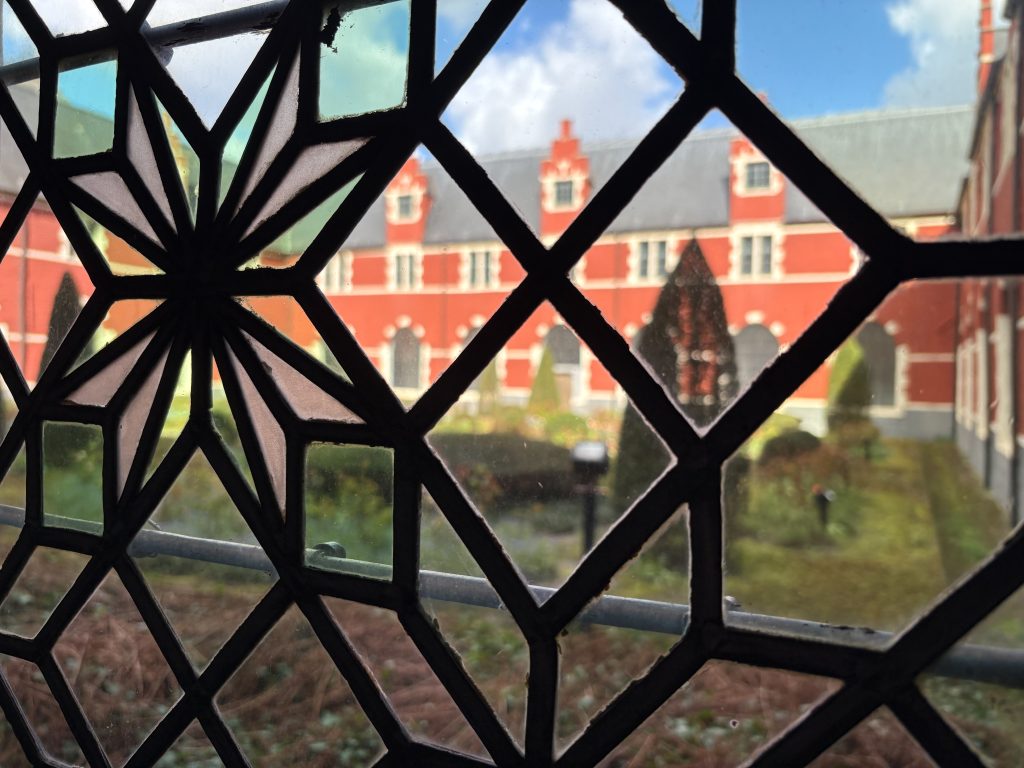
Another museum and another acronym (https://stamgent.be/en). I often find that city museums overwhelm you with detail of their history when, as a casual visitor, I prefer broad brushstrokes of history. That is what you get at this delightful museum. It has a judicious selection of objets and artefacts that means you can pick and choose where you want to drill into more detail with touchscreen explanations, all of which (and wall texts) come with English translations alongside the Dutch and French. On top of that it is in a cleverly linked series of buildings that have been restored (apart from the modern entrance building) and which provide another level of interest on any visit. What is more it is set in the grounds of a former hospital, parts of which date back to the 13th century, which is now a cultural hub (Bijloke) that includes a music centre, arts school and theatres. Even if you do not go into the museum, for those who can manage it, the grounds are a peaceful destination at the end of a 1.5 kilometre (just under a mile) stroll south down the quays of the River Lys (Leie) from the Korenmarkt. And there is a good café within the modern entrance building which has a lunch time buffet that was clearly popular with locals.
Mobility Access
The modern updating means full accessibility with lifts linking floors, and the older parts only containing slopes or a few steps up and down to move around the cloister. Surfaces are flat and smooth (and this includes the paved paths to reach the street). Within the museum they have wheelchairs available. The website refers to a need to reserve one of these, but we didn’t and we were still given one (the museum was very quiet on the Saturday morning of our visit). We did not check the availability of portable stools, but they seemed to be a regular feature of the city’s galleries and museums, so I would expect them to be there. The nearest tram stop (Gent Bijlokehof) is a 500 metre walk along Godshuizenlaan. We took a taxi to get there.
City Library (De Krook) and Winter Circus
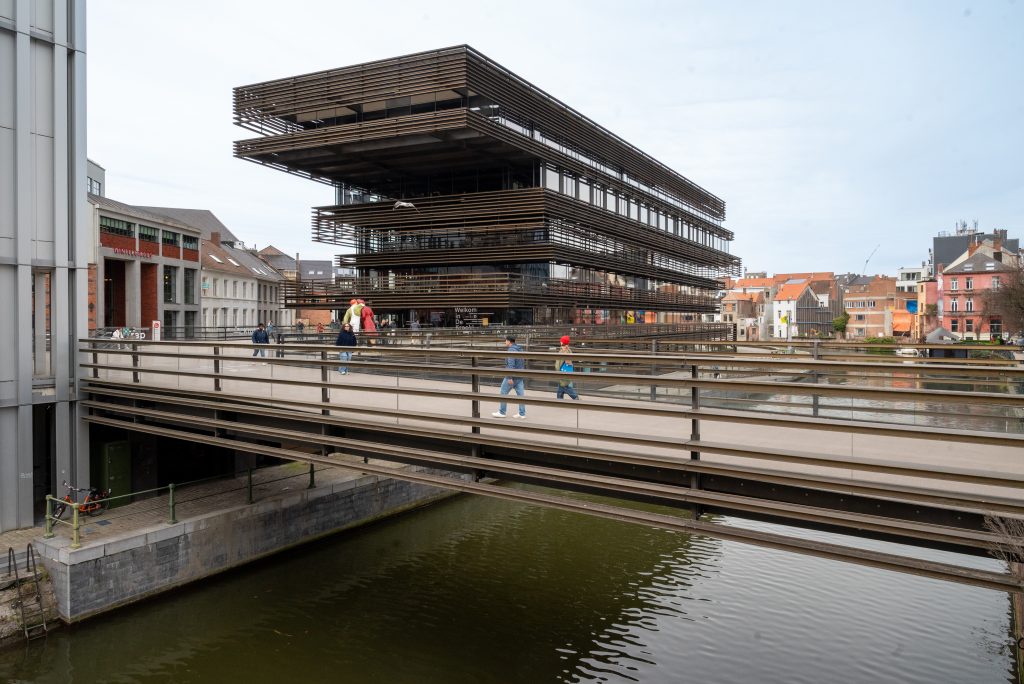
In a city of heritage buildings, two modern edifices (one restored for twenty-first century uses) sit side by side on a knuckle of land around which curls the Muinkschelde River. The City Library (https://dekrook.be/en/) is the more striking of the two and, for me, the more interesting. A modern purpose-built library (dating from 2017) it provides a complete contrast to most of the architecture of the city centre. Those who have dipped into other posts know we enjoy visiting these modern library spaces. This one was fully stocked with books, magazines, music, DVDs and the like as well as providing plentiful space for serious readers and researchers (the upper floor was set out with nothing but study desks and reading spaces and it was packed). A café/restaurant is also a given within these modern facilities. The difference from other recently visited libraries, Oodi in Helsinki and the City Library in Salt Lake City, was an atmosphere of serious purpose with students and others engrossed in their reading and less of a sense that people are just coming for a social visit. Inevitably there is a substantial English language section, so I spent a little time reading the first chapter of a Richard Osman book.
Mobility Access
In a building of this age you can expect ease of access for those with mobility issues and you get it. The nearest public transport is the busy Gent Zuid tram and bus interchange 300 metres to the east across the flat footbridge over the Muinkschelde.
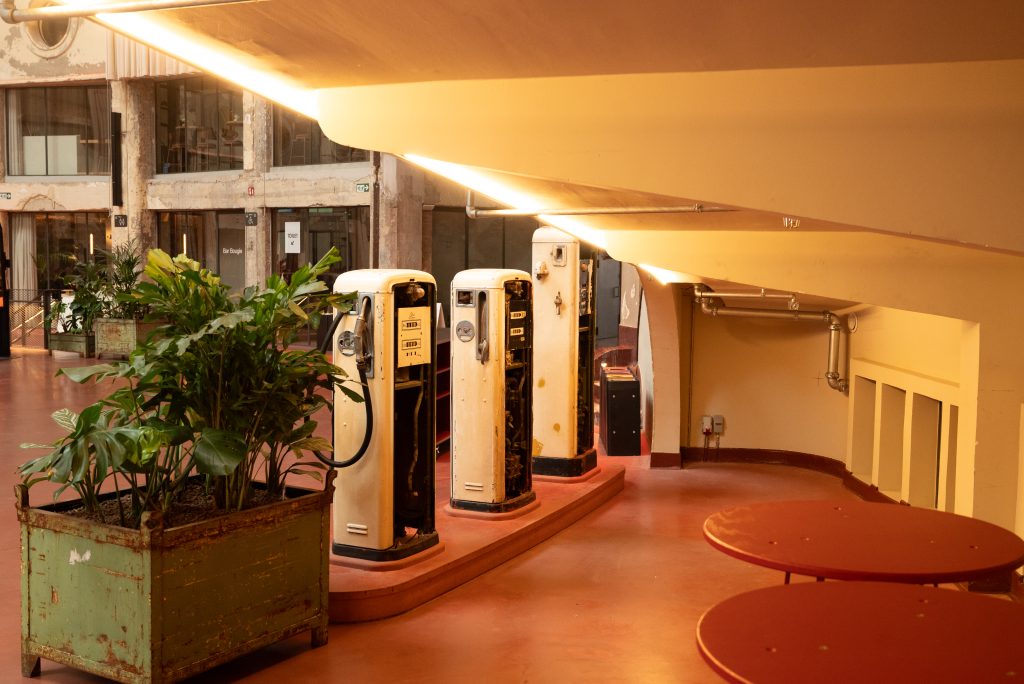
The Winter Circus is a contrast, buzzing with activity. Built as a circus in the 1880s and repurposed as a car showroom in the 1920s, after many years of dereliction it has emerged as a multi-use space (https://www.wintercircus.be/en/agenda) complete with restaurants and bars. The central space is the original ‘circus’ arena. On the day of our visit people were using the space to sit, meet and eat and let their young children run and play on the smooth flat floor. It is worth a quick ogle at the way the space has been re-used even if you are not hanging around here.
Mobility Access
I am only writing of the area that is the ‘floor’ of the circus at ground level. The entrances are across the same podium that gives access to the City Library and up ramps from the street on the other side. There is a long circular low wall where the circus ‘ring’ used to be that acts as seats for visitors.
Begijnhofs or Beguinages
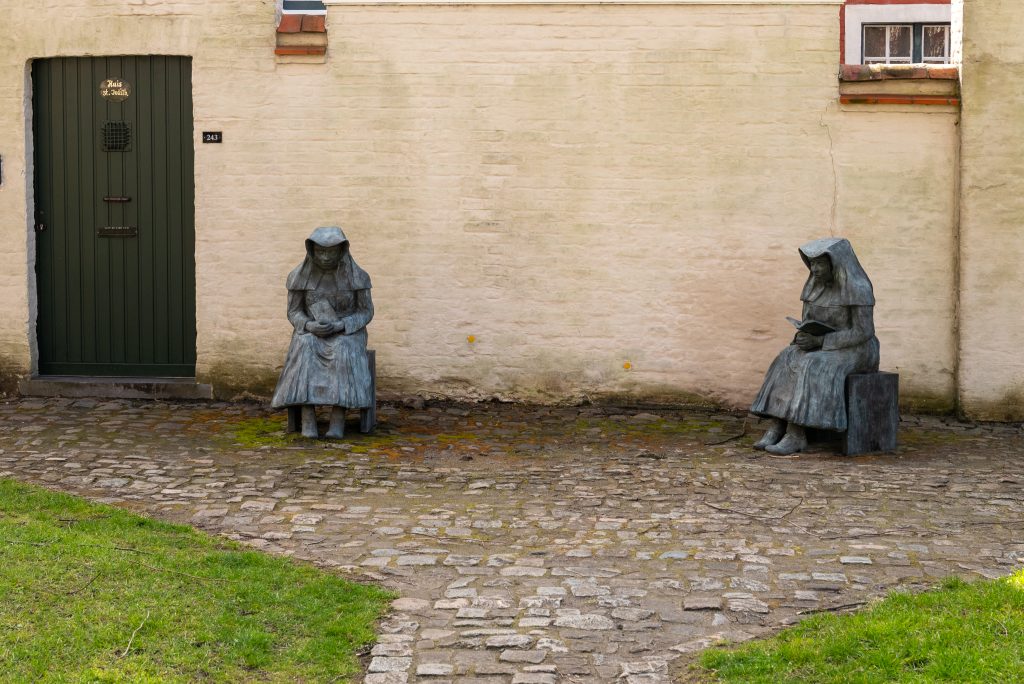
There is simply no English word that describes these small communities dating from the 13th century. They were for women who wanted to have a devout and relatively secluded life together without taking monastic vows. Built adjacent to a church they are, as we discovered in Bruges, still homes to women favoured by the church community or those with a social need. There are three in Ghent alone with two being UNESCO listed (https://visit.gent.be/en/beguinages-ghent). They are now little visited (from our limited experience) and are havens of quiet in the city. We visited two: The Old St Elisabeth and the Small (Our Lady ter Hoyen). If you can only manage one it should be the latter, where you can walk into the green space in which the church sits surrounded by the neat little houses used by the women. The former is less accessible behind walls (you can only see the houses from the neighbouring streets) although the church is the centrepiece of the adjacent peaceful public green. None of the houses can be visited but this is all about atmosphere and place – and these are little gems of the city set only a few tram stops away from the Korenmarkt.
Mobility Access
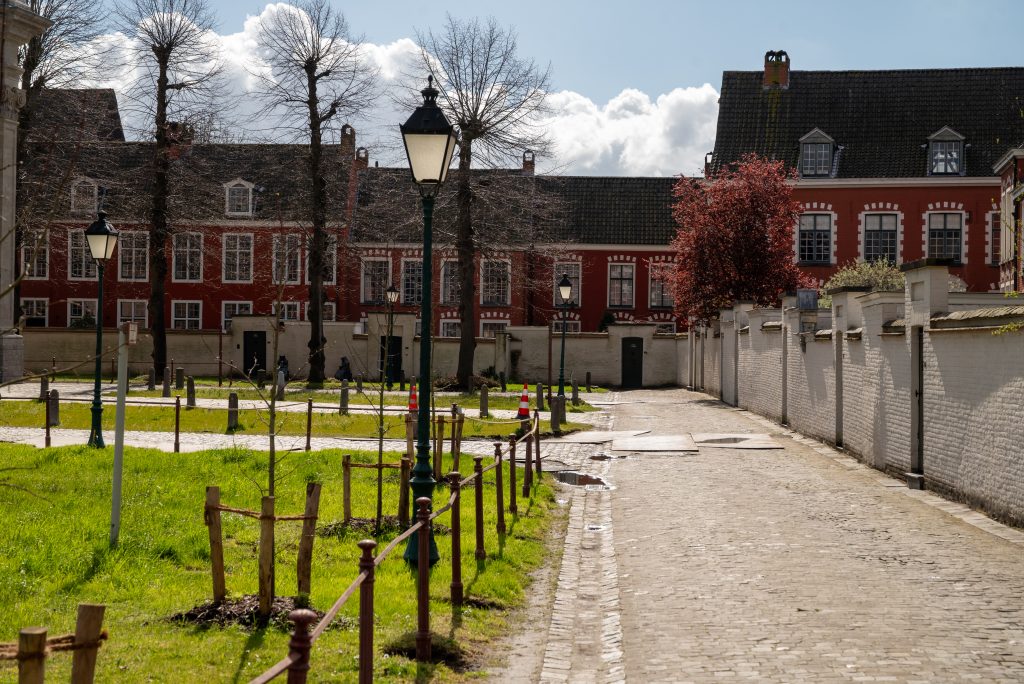
Although we are talking about areas of flat land relatively easily accessed from public transport, the difficulty here is that the surfaces are those grey brick cobbles I have written about in the Mobility Access section on Walking the City. The streets from the Gent Sint-Elisabethplein tram stop nearest the beguinage of that name and in the streets around the green space all require you to walk across those surfaces. The tram stop is only 250 metres away and there are benches around the green (where the surfaces are more forgiving) on which you can sit and take in your surroundings. With the Small Beguinage it is a bit further from the Gent Vijfwindgatenstraat tram stop (around 400 metres) but that walk is on flat pavements. It is only once you go through the archway in the walls that is the entrance to the beguinage that you are faced with the cobbles.
Eating Out
As a general point we found that those cobbles meant that walks to restaurants more than about 500 metres from the hotel were impractical. Taxis became our answer and, given the relatively high flat fare, taxi drivers seemed unfazed by requests to travel such short distances. Also all our advance reading led us to believe that restaurants in Ghent are busy on Friday and Saturday evenings, so we made sure we booked our Thursday through Saturday night in advance and we were glad we did. Sundays are, as they say, a whole different ballgame. Many restaurants in Ghent are closed on Sunday (the weekending tourists have left the city) and the trick is to find somewhere suitable that is open.
Mémé Gusta
This street-front restaurant (https://www.meme-gusta.be/nl) was the place every guide or website seemed to say was the one to head to for Belgian cooking with a modern twist. And that was what you got, although we felt the modern twist applied to the décor and atmosphere of this place rather than the food. The food was very good but you need to be aware that traditional Belgian food is real comfort food based around stews and the famous friet (Belgian fries not French they insist – https://www.visitflanders.com/en/discover-flanders/culinary-treats-and-belgian-beer/fries). There is actually plenty of choice on the menu away from the stews but only the odd vegetarian choice. Portions are substantial and the place buzzes with a preponderance of locals over tourists. Service from the mainly young staff is efficient rather than friendly (too busy for chit-chat), although the person who arranged our taxi at the end of the meal was really helpful in making sure the taxi found the place. The website appears to be only in Belgian but, if you open the menu (kaart) you will find English translations of all the dishes. It was a fun start to our stay in the city but you must book or you won’t get in.
Mobility Access
There are two steps up from street level to the door. Once inside all is flat, smooth floors with no steps. We used a taxi to get here because of the extent of cobbles that we would have needed to walk on to reach the restaurant.
Du Progres
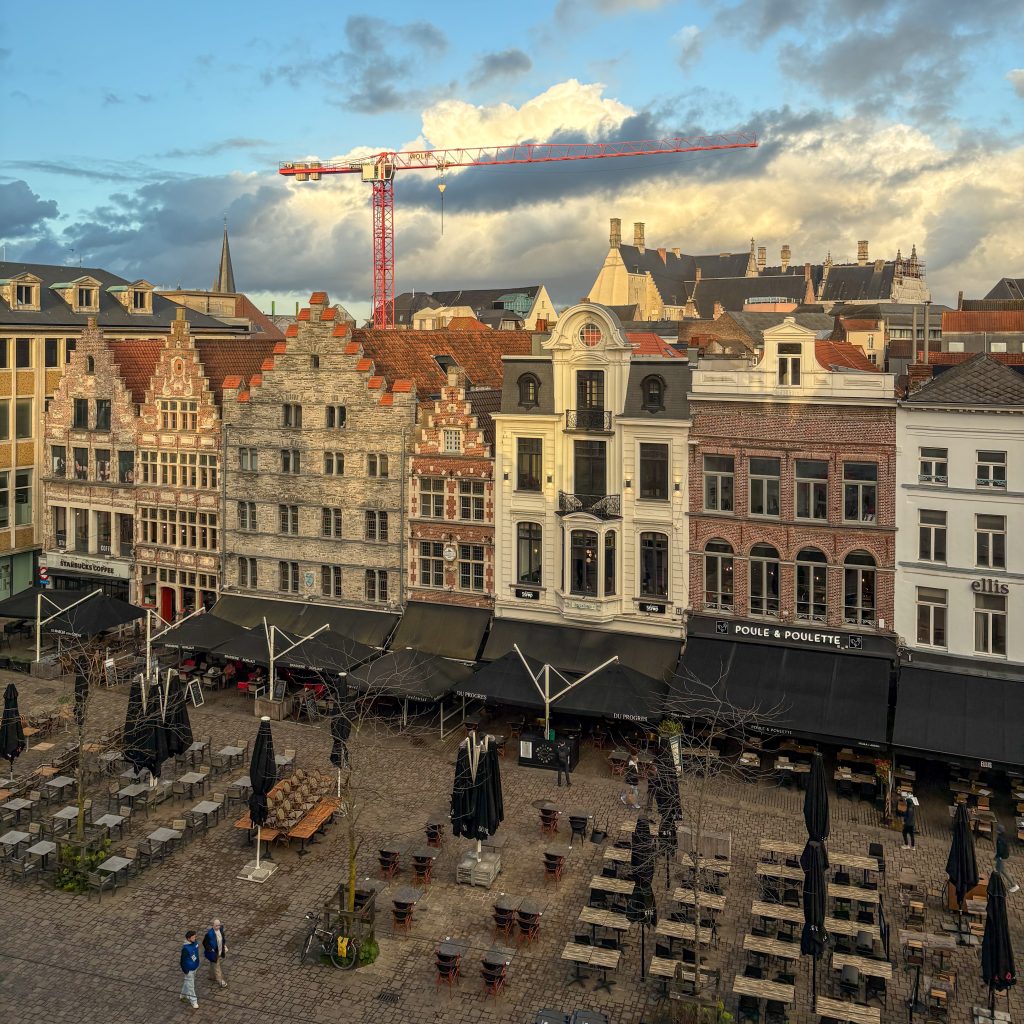
This was also a well-recommended place for a Belgian bistro meal (https://www.duprogres.be/en) and it had the locational advantage of being only fifty metres across the Korenmarkt from the hotel. Having booked we were shown to our table and found that the noise levels were actually preventing conversation (the room was tiled hard surfaces with no acoustic dampening features). We were offered a table in a different place but, for us, it was little better so we withdrew. This is one of the few places that requires a deposit when booking (€20 at the time) so we had to forego that. If noise levels are an issue for you (as it often is for us these days) don’t go. It was too cold to venture onto one of their outdoor tables. Instead we headed somewhere quieter…
Mobility Access
To be fair no issues as you access direct from the square and the floor is flat within. It is only about 150 metres from the nearest tram stop.
Cobbler’s Bar
…and opted for the hotel’s bar. This cosy but modern space was ideal. No reservations can be made and it was busy but not full. The menu is just finger food but, after our comfort food of the previous night, that actually suited us fine. There is no menu on the website but you can get sharing plates of cold meats and cheese, breaded meatballs, hummus and pittas alongside cocktail bar sides of olives, crisps etc. All of which went down well with their cocktails, wines and beers. For us the bar became a good space for pre-prandial cocktails on a couple of other evenings. I would have enjoyed a visit even if we weren’t staying.
Mobility Access
See the comments under the hotel entry below.
Le Homard Rouge
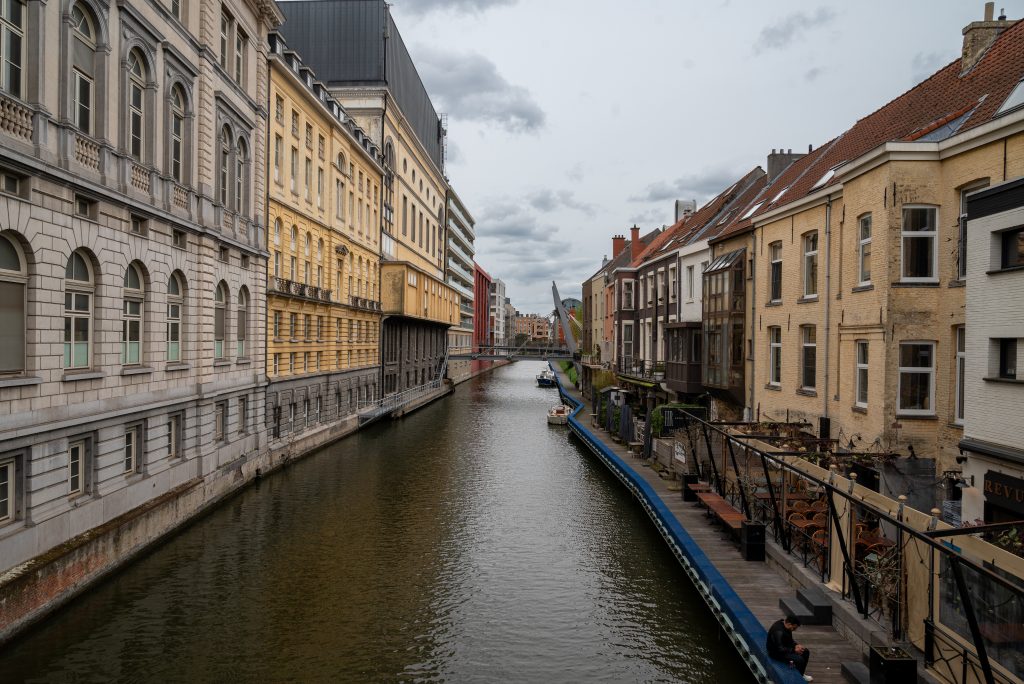
Another place rootled out of our online researches, this is, as the name suggests, big on seafood (https://www.lehomardrouge.be/nl). Or I should say big on lobster for that beast, sitting in its tank in the dining room, rubber bands round its claws, comes in many combinations along with other seafood dishes and some steaks to add a bit of ‘turf’ to the ‘surf’. A vegetarian wasteland, I am afraid. The food is seriously old-fashioned, richly sauced and well-cooked fare so be ready for that when ordering. The dining room is not large (about 30 covers I would guess). There is an outdoor terrace set above the canal, understandably not open at this time of year. It is an old stone/brick lined basement room which makes for an enjoyable atmosphere, considerably helped by the bustling, friendly staff. Although the website seems only to be in Dutch, this is another place where the ‘Kaart’ has the English translation printed below the Dutch. Booking is an absolute must, certainly across those end of week evenings.
Mobility Access
If you look at the first photograph that comes up when you click on Galerij on the website’s drop-down menu you will see what faces you when you arrive; a narrow, steep set of stone steps down into the dining area. Otherwise the floors are relatively flat with a step up into the main dining room from the narrow hall/kitchen area that greets you at the bottom of the steps. The entrance is tucked along a side street (smooth paving rather than cobbles) and is about 250 metres from the nearest tram stops at Gent Koophandelsplein. Do not be fooled by Google Maps which shows a closer tram stop on the T1 line. That line no longer runs.
Allegro Moderato
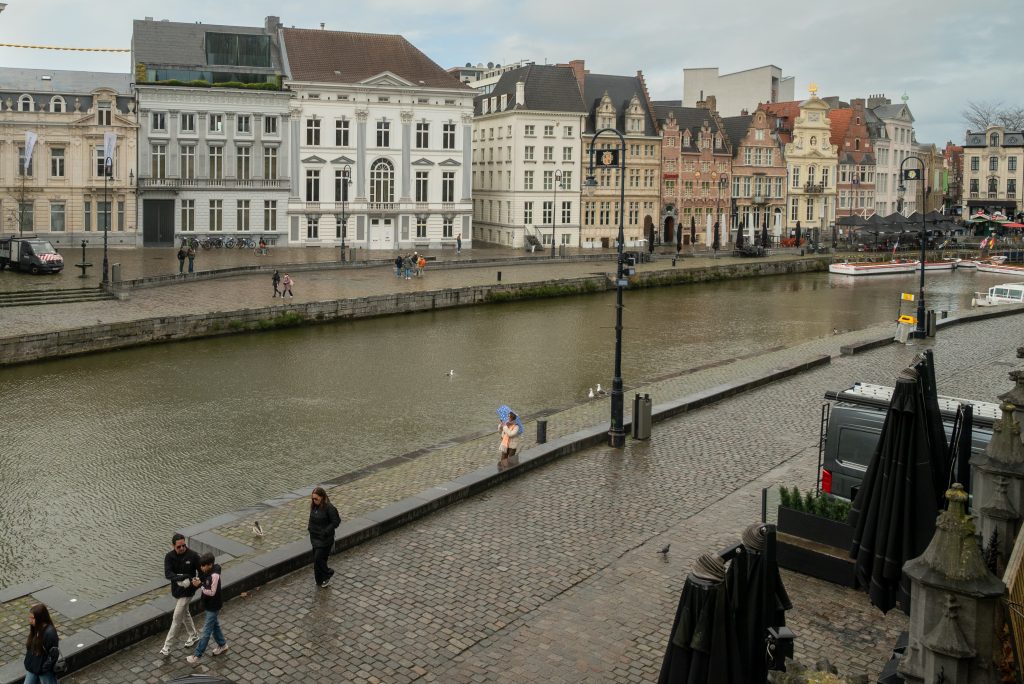
So, to solve the problem of Sunday dining we asked the hotel reception staff for suggestions and they quickly came up with a list of options. Due online consideration having been made we chose this one – https://www.allegromoderato.be/en/. In many ways it was the most enjoyable meal of our stay. Located in an Italianate style building on the quay opposite our hotel, inside it has the air of a northern Italian palazzo (down to the Murano glass chandelier). The food is slightly more subtle, in cooking and portioning, than our earlier forays and the menu wanders across France and Italy for its sources. Vegetarian options are there, as is a decent selection of vegetables. Service was somewhat more toned-down and serious in comparison to the other nights. And it was quiet and was by some way the most restful place that we ate, ideal for our last evening.
Mobility Access
From the wide quayside of Korenlei there are six stone steps (with a handrail) to get up to the entrance door. Once inside the wood plank floors are step free. The potential difficulty is those pesky cobbles which cover the whole quayside and run into the streets on all sides. For us, taken carefully, it was just under 300 metres from the hotel but that involved coping with a flight of 20+ stone steps down from (and on the return up to) the bridge across the river.
Le Pain Quotidien
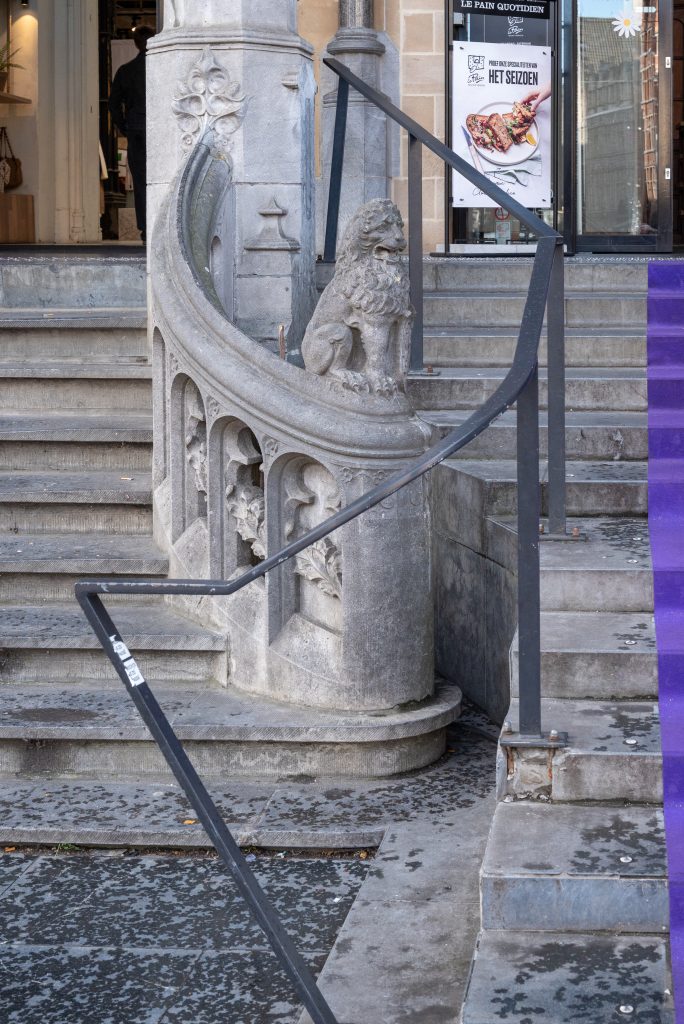
Founded by a Belgian who was dissatisfied with bread in Brussels, this chain expanded rapidly on the back of a franchise operation with places around the globe. We used them a lot in their London branches until financial overreach saw them become insolvent only a few years ago. The operation seems to have been revived in the same style in some countries (but not the United Kingdom where the only remaining branch is at St Pancras International) and provides a very familiar menu (to us) of sensible options for breakfasts, lunches, coffee and patisseries. We used this branch (https://www.lepainquotidien.com/be/en/stores/Korenmarkt) both for breakfasts and the occasional caffeine and lunch as it was so convenient. It was in the same building as our hotel and the breakfast was about half the price of that on offer at the hotel. It also helps that the restored Post Office building in which it is housed creates an engaging space (which it shares with a few modern Belgian fashion outlets). Service can be a tad rushed, as its location makes it a convenient and popular stopping place for visitors.
Mobility Access
The age of the building means there are eight wide steps (with handrails) to reach the ground level of the building. Once inside all floors are smooth and flat except for one step up to one area within their space.
Hotel: 1898 The Post
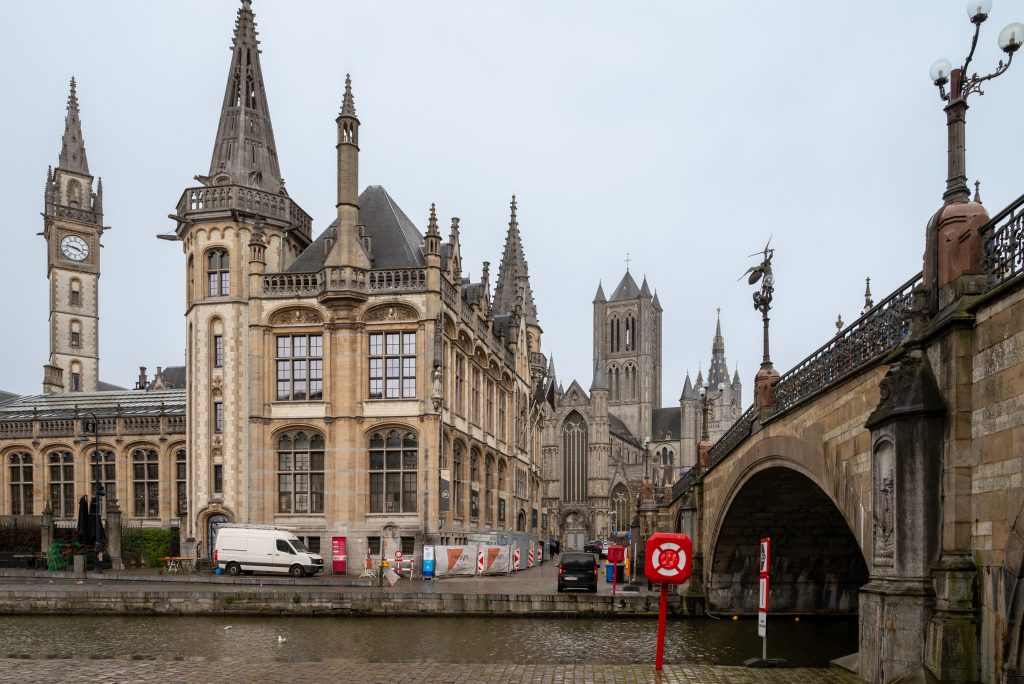
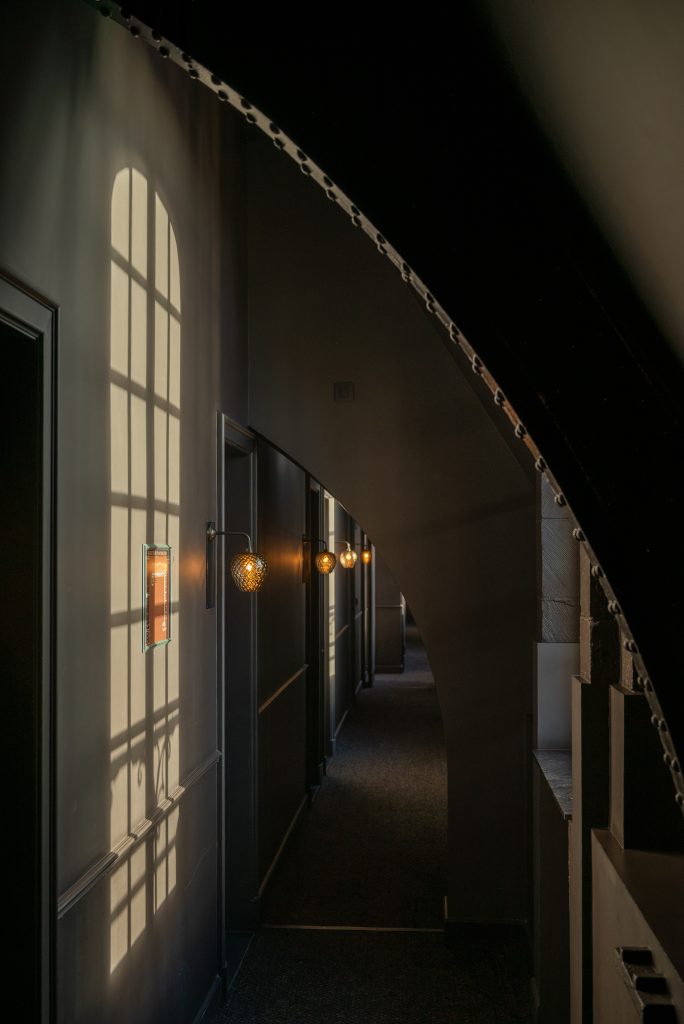
Once again, it was online research which led us to this ideally-located hotel (https://www.1898thepost.com) set in the resplendent former Post Office. The building is a late 19th century Neo-Gothic confection that now houses a basement supermarket, ground floor fashion outlets and Le Pain Quotidien (see above) and this smart hotel on the upper floors. The hotel is very much in the modern style that you often see in these restored buildings, all leather, cloth and dark wood furniture, dark paint shades (here greens and greys) and period style lighting. It was a cosy and relaxing place to be staying with a well thought through, good-sized, if not huge, room, with two basins, tub and separate shower in the en suite, all the other expected accoutrements that you find in good quality hotels and, glory be, hooks by the door for coats and hats. There was an excellent quiet nook in one of the turrets (that had a small honesty bar) where you could sit and read. The young staff were all very helpful and all had impeccable English. The minor quibbles were first with that dark décor in the hotel corridors at night. The lights along the corridor were at eye level with relatively clear glass. This meant that they shone in your eyes as you walked along, magnifying the darkness of the corridor. On our level the iron girders curved over in such a way to be a hazard to heads if you could not see them properly. Also the windows in the rooms could not be kept open at night once you had closed the shutters which, to us, made the room feel a bit airless. Nonetheless it is a very pleasant place to be, so we have no hesitation in saying we would stay again. And its central location, less than 100 metres from the nearest tram stops (Gent Korenmarkt) and with a taxi rank outside the door out on to Korenmarkt, was ideal.
Mobility Access
Generally fine with flat, smooth surfaces across the two floors and a linking lift. A couple of wrinkles to be aware of. The main entrance is on the west side of the building facing the quayside so don’t let a taxi driver drop you at what looks like the main door (out onto the Korenmarkt) on arrival unless you want to drag your suitcase across that cobbled surface to the main door. The main door is actually quite hidden – just an archway through the small courtyard – and there are then around six or so steps up to the lift that takes you to the reception level on the upper floor. Those steps are replicated at the door used to access the Korenmarkt, which you can only open with your room key. We used this door for the rest of our stay and never asked if there was an alternative lift access available.